By Dennis
It was a hot and humid 32 degrees for our 3 nights in Warsaw, with lively thunder and lighting in the middle of the night, so it was good to have a couple of days off from riding. I had the opportunity to see the local’s side of Warsaw by visiting a number of shops to replace some lost items. When leaving Pultusk, I failed to properly secure my “caboose” bag which sits between my two panniers, and it flew off somewhere on the bumpy roads without me noticing it. Bummer, but I did not have anything valuable in it that could not be replaced. On the plus side, I saw a number of mega malls while looking for replacements – multi-storied, air conditioned and filled with shoppers (mostly young) who were either shopping at the fashionable shops or sitting at Starbucks or the food courts doing emails or social media – just like home! At any rate, criss-crossing the city to various bike shops and hardware stores and malls to replace my lost items was fun.
I really enjoyed Warsaw with it’s eclectic mix of old and new, and its extensive bike path infrastructure making it so easy to get around the city. However both Don and I have not been able to fully trust the drivers like the local cyclists do, sometimes causing a bit of disgruntlement when we stop or slow down and they are behind us. But the drivers always stop for cyclists, it is just so hard to get used to after riding in Victoria.
We purchased new SIM cards for the phones – 25 zlotys (about $8) for 50GB. At home 4GB costs $50/month. Why?
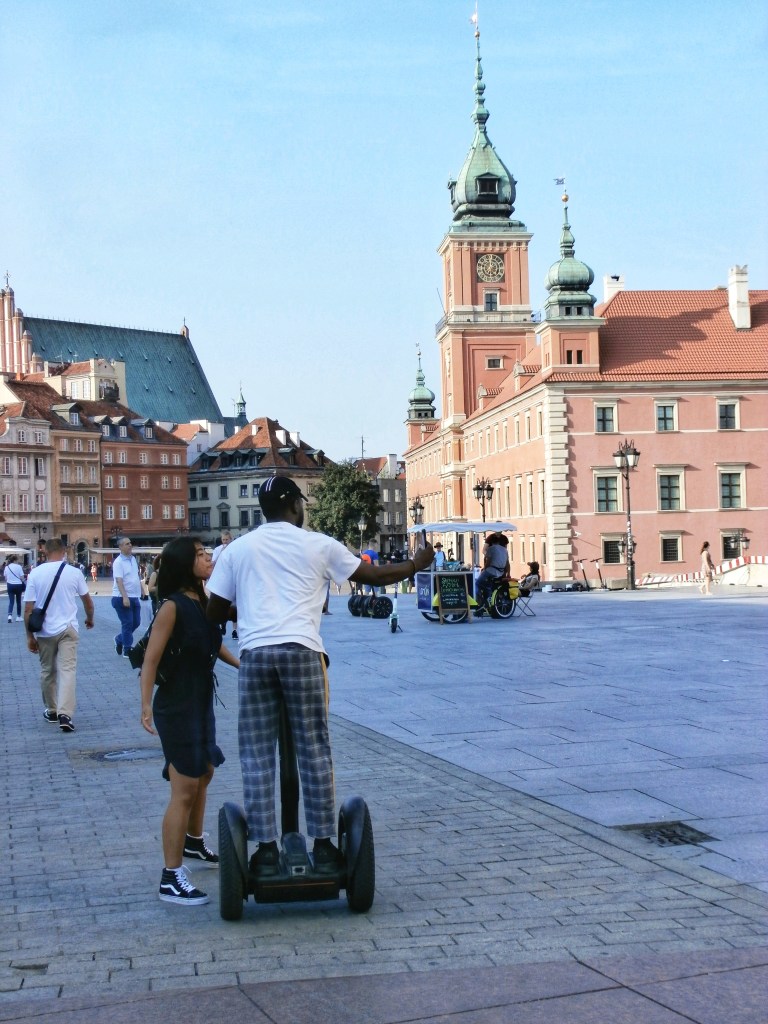
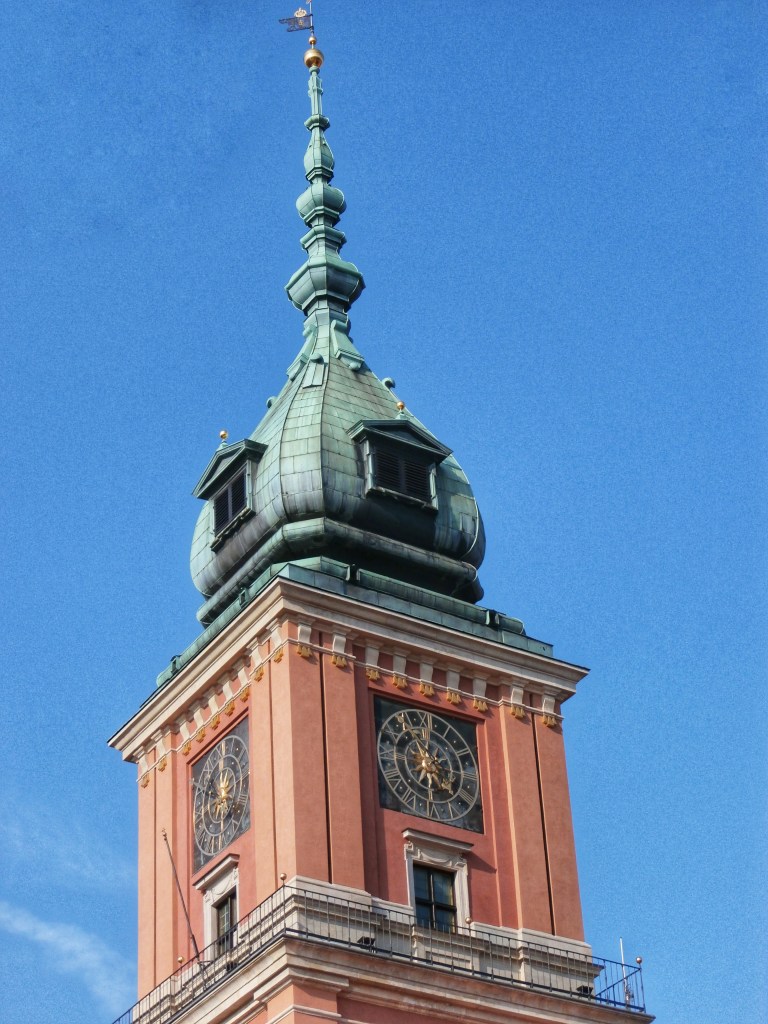
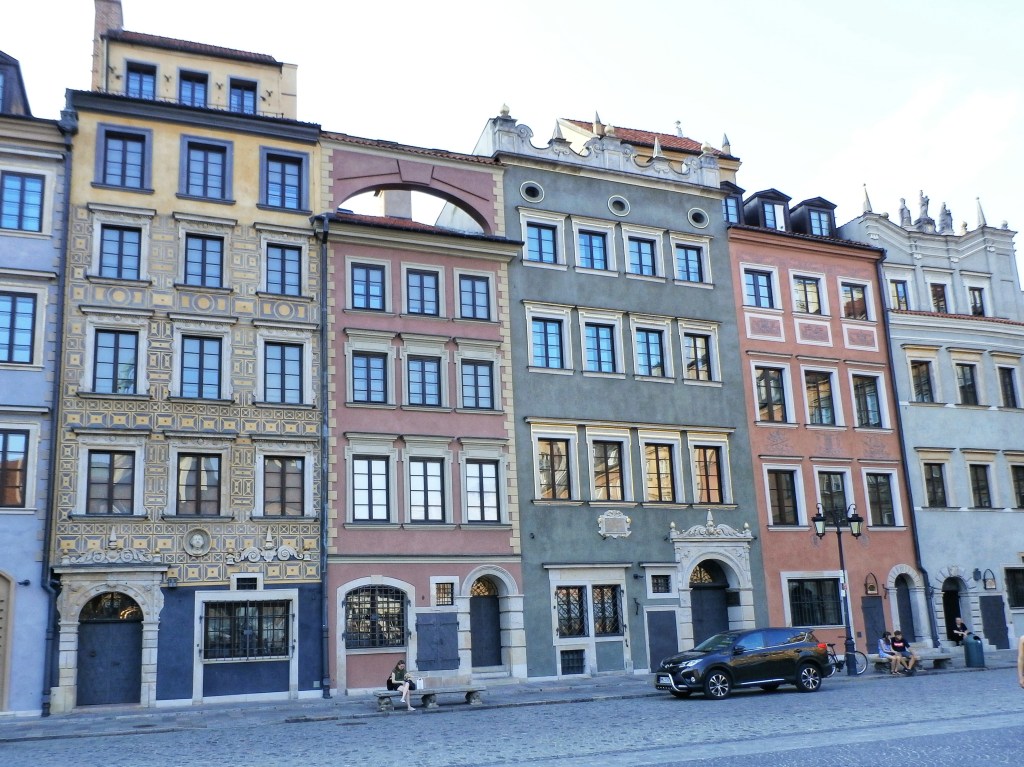
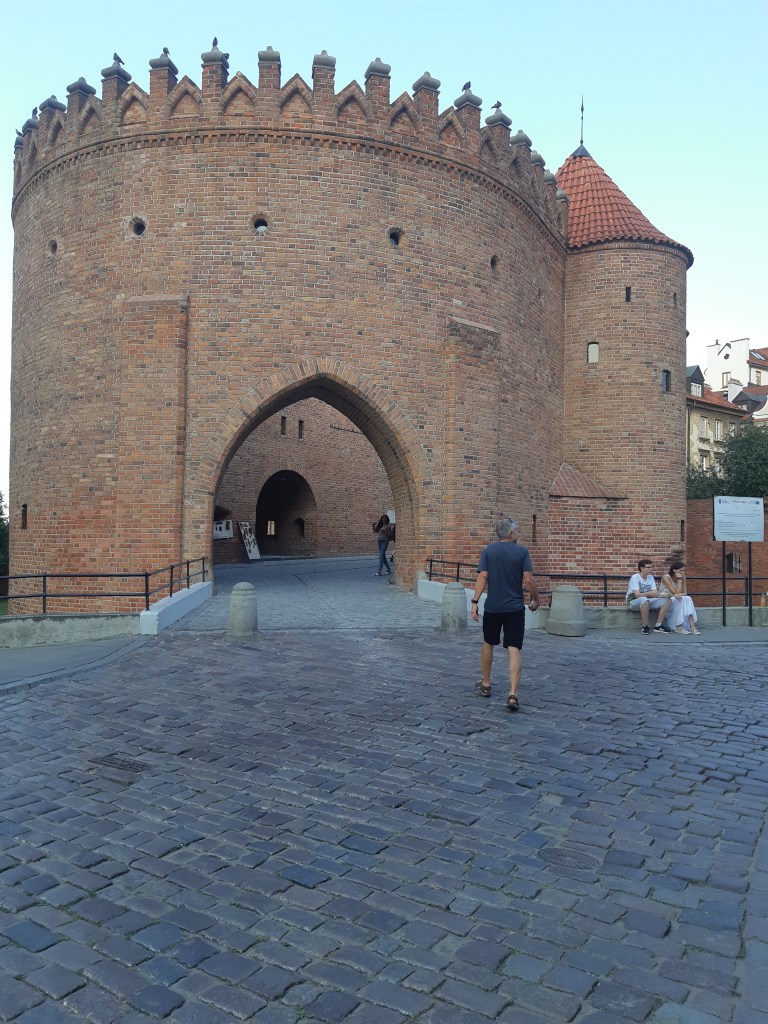
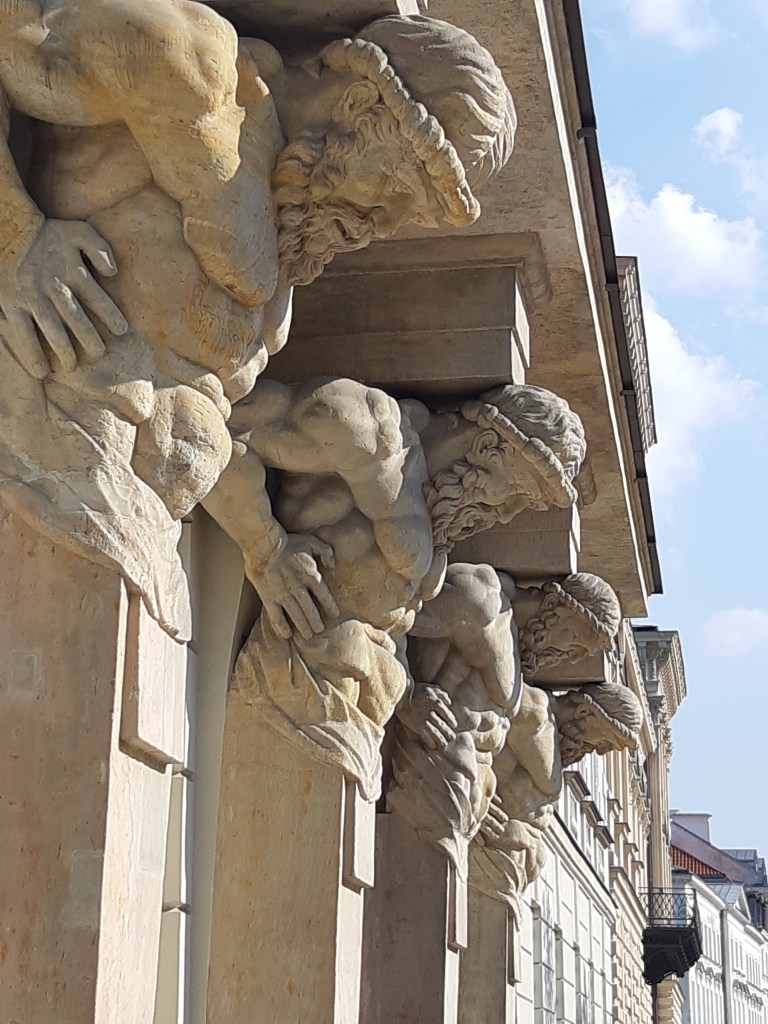
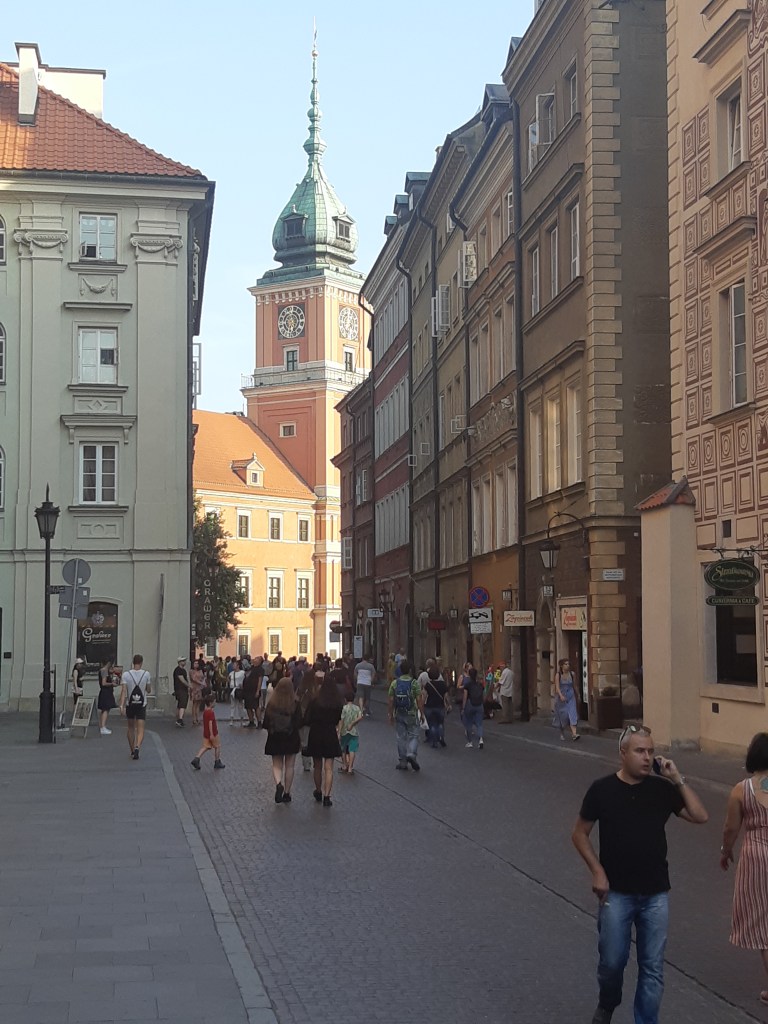
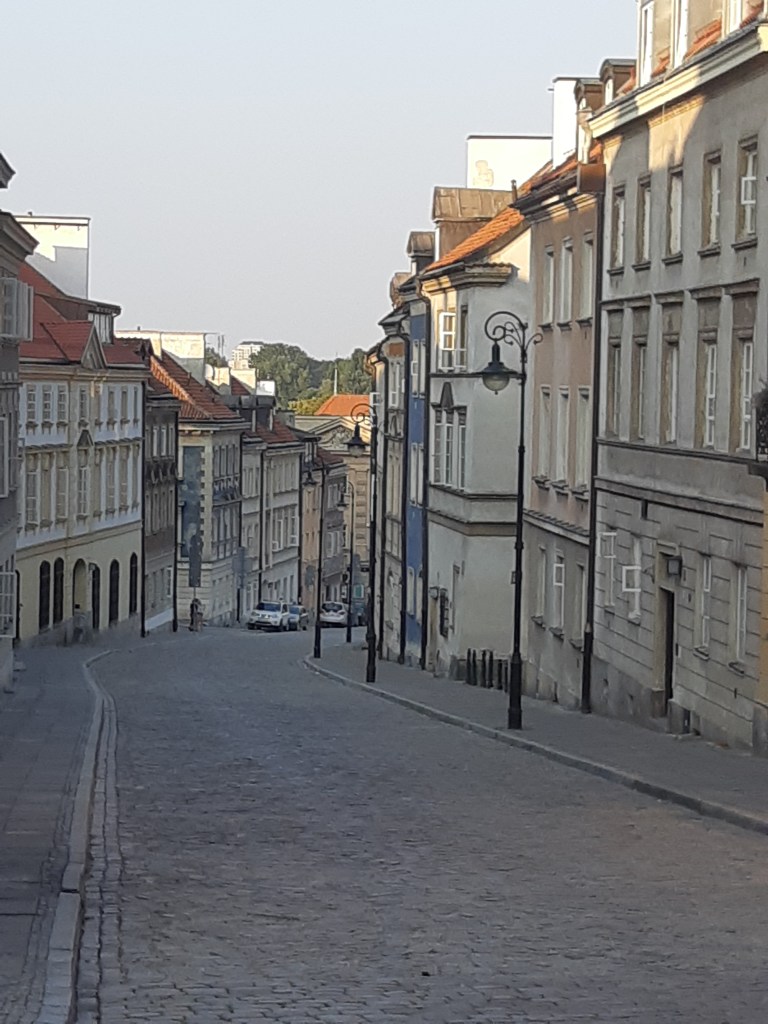
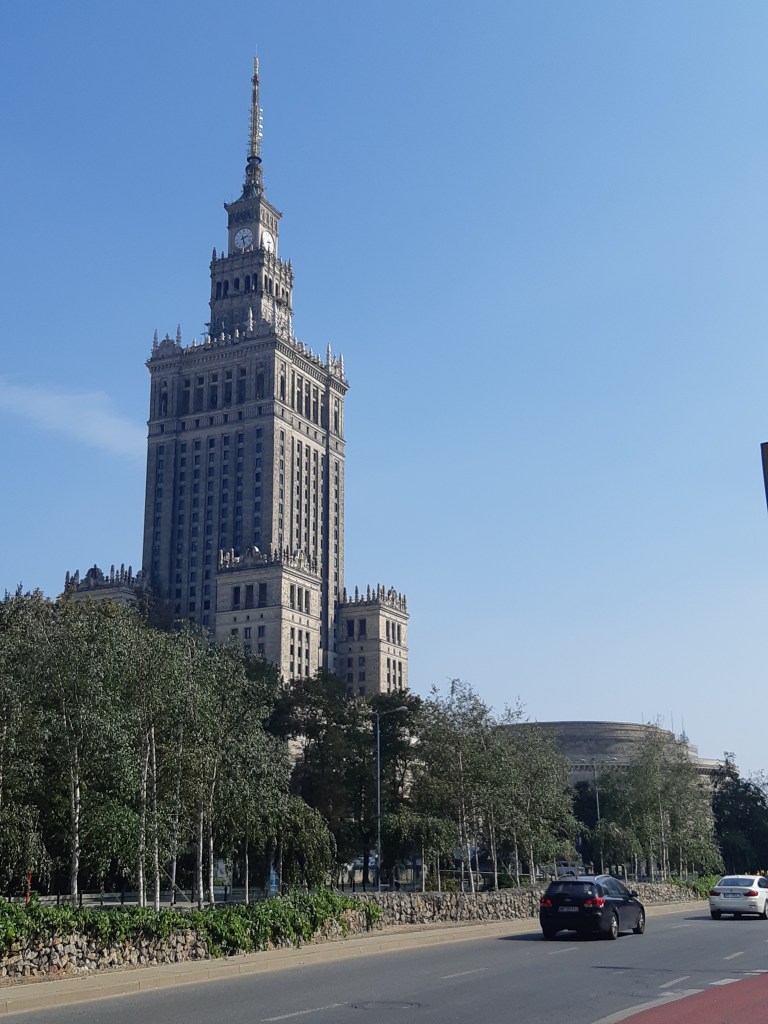
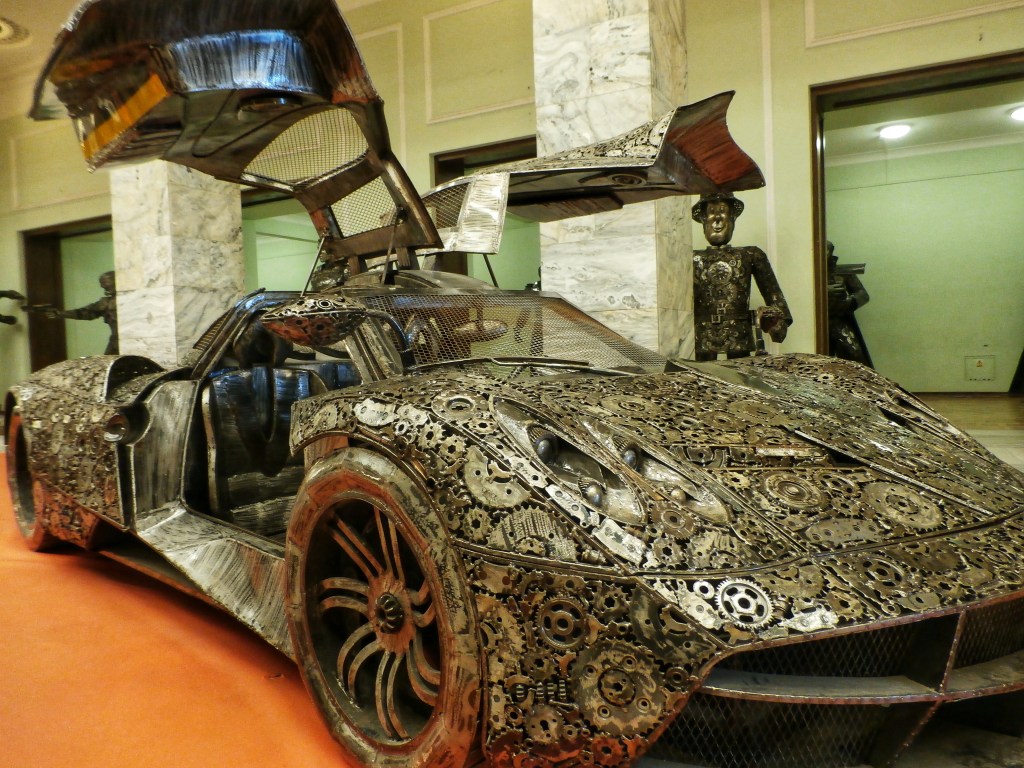
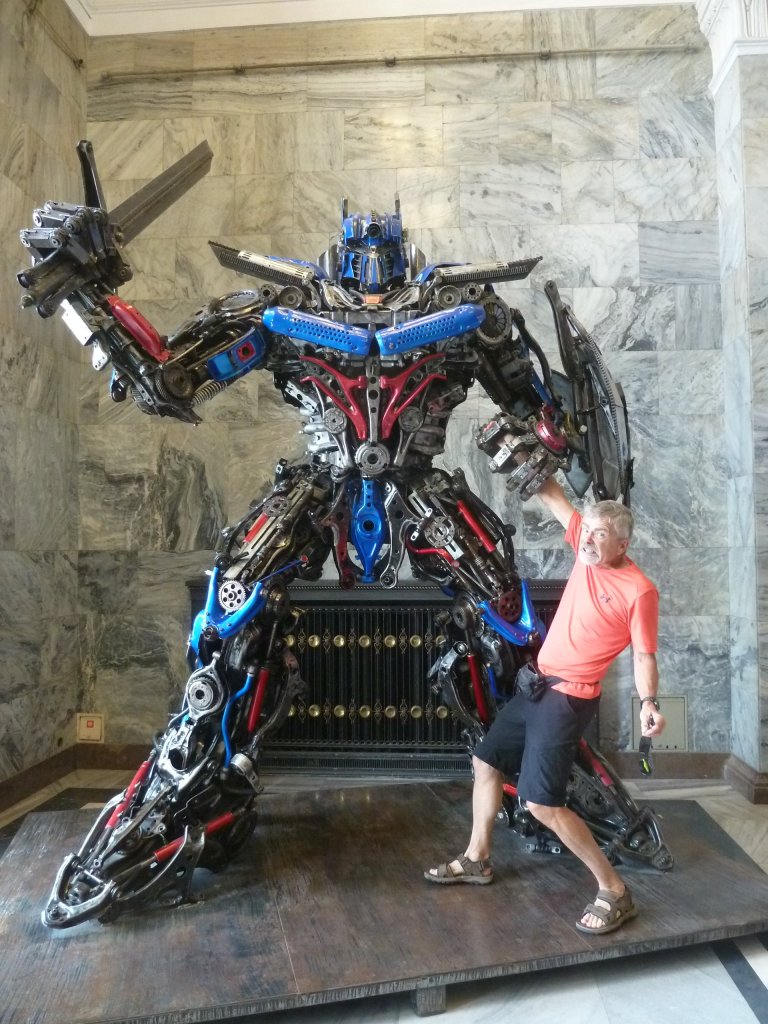
Random pics around Warsaw…
The old…
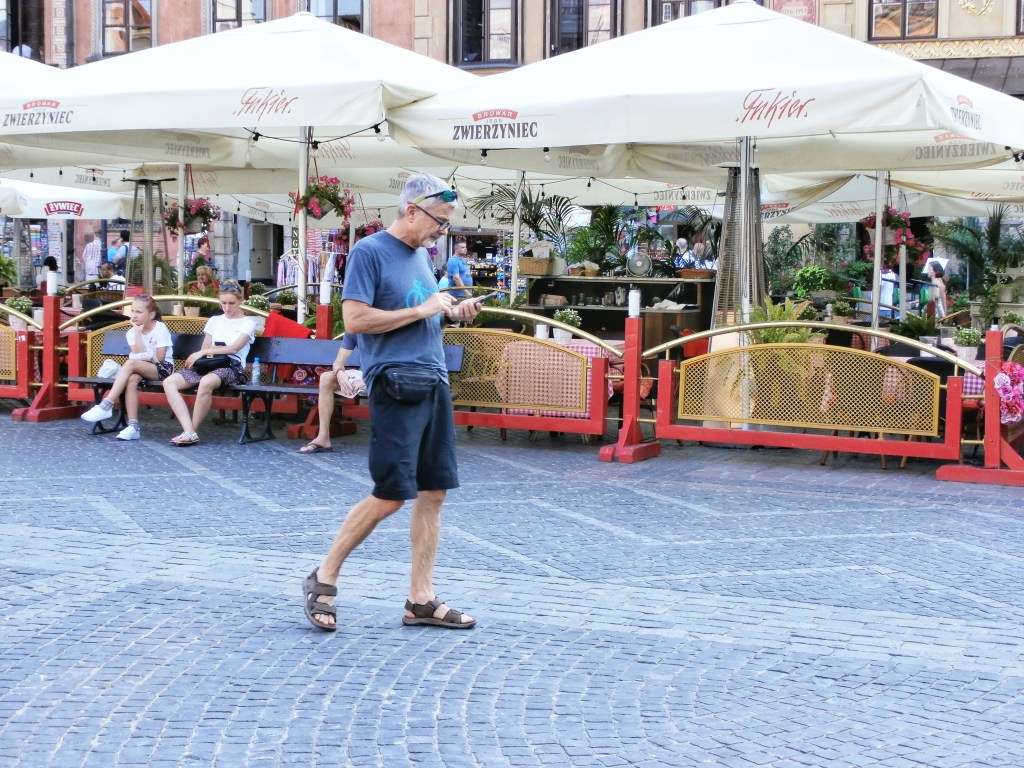
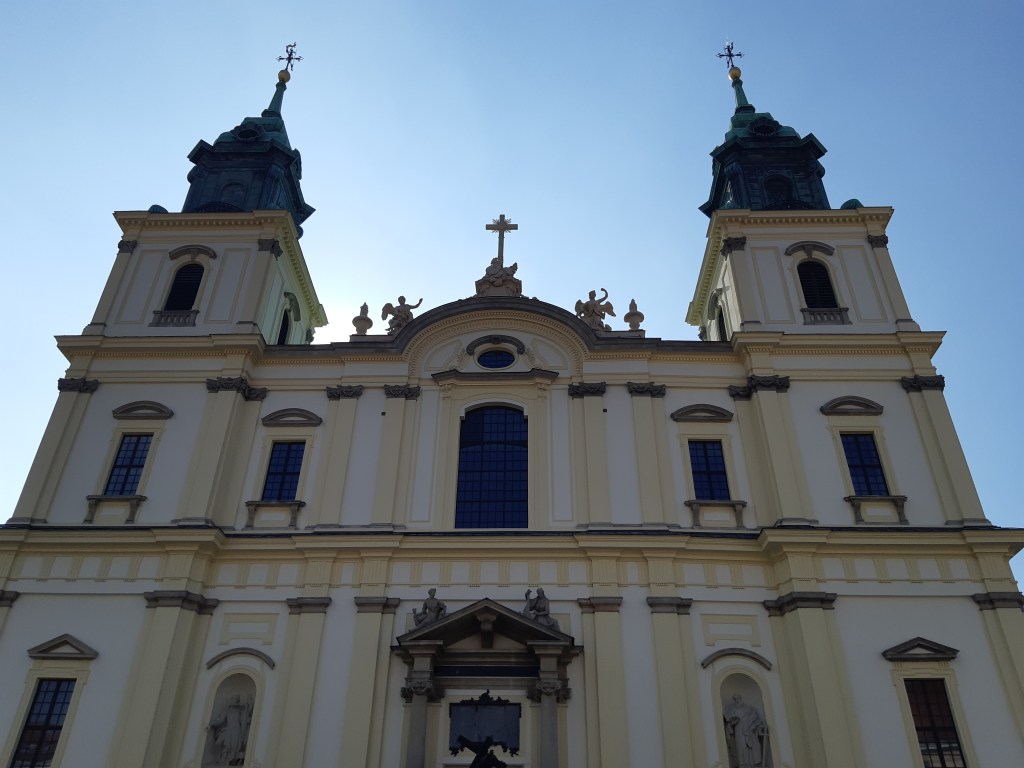
The new…
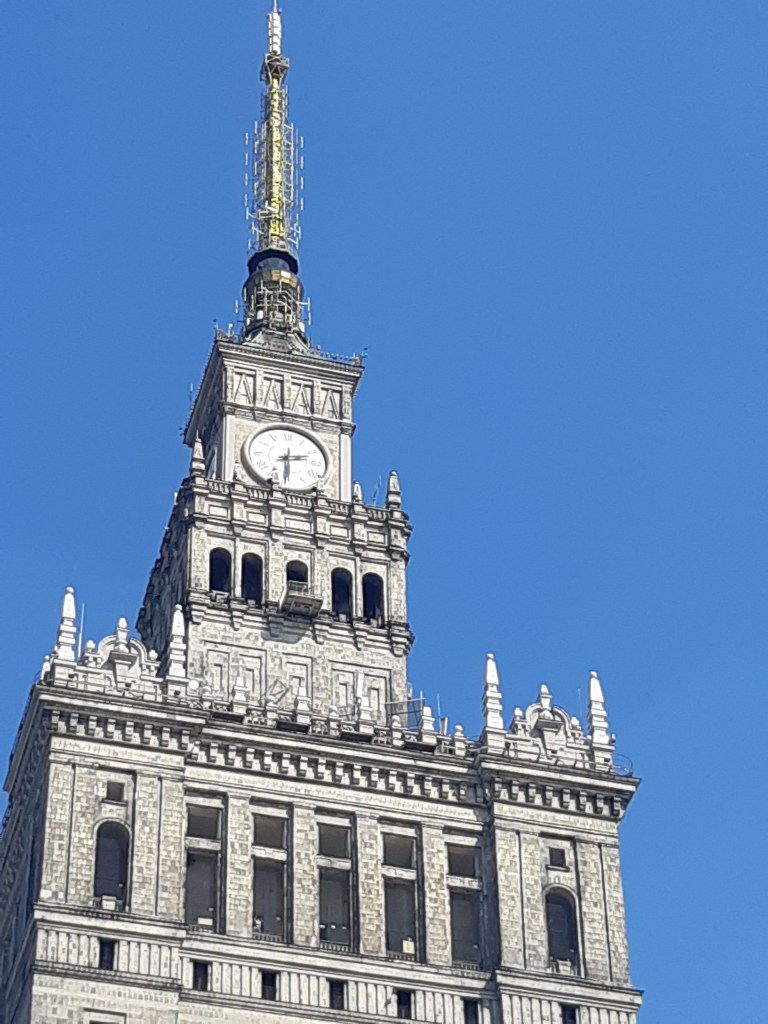
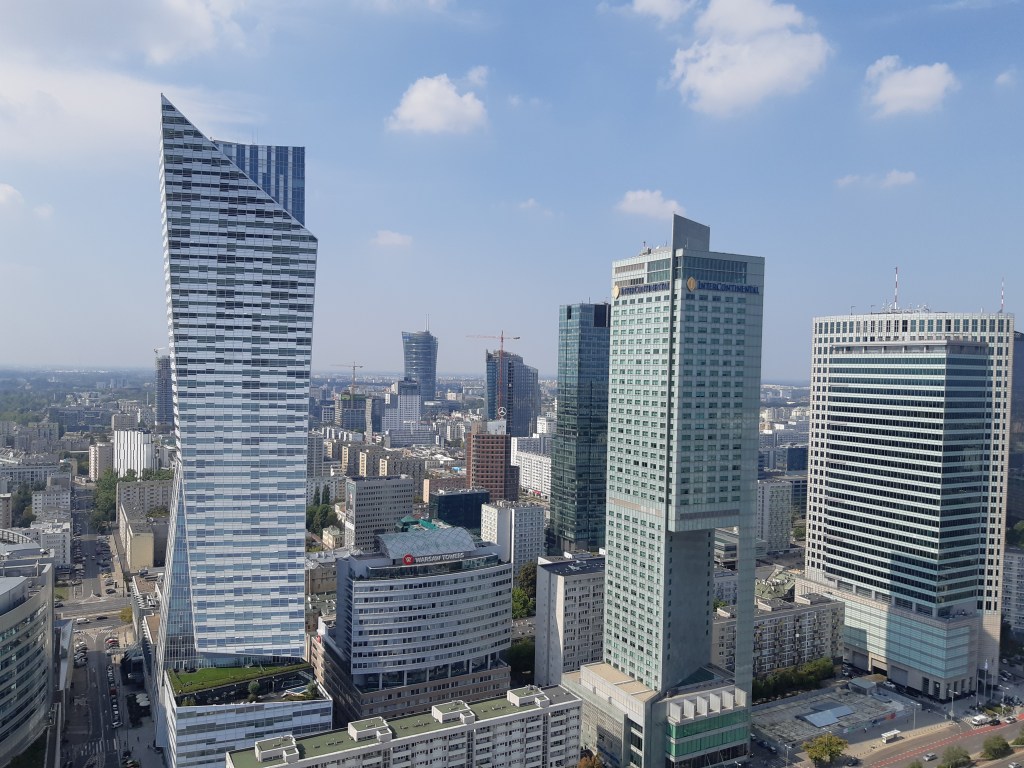
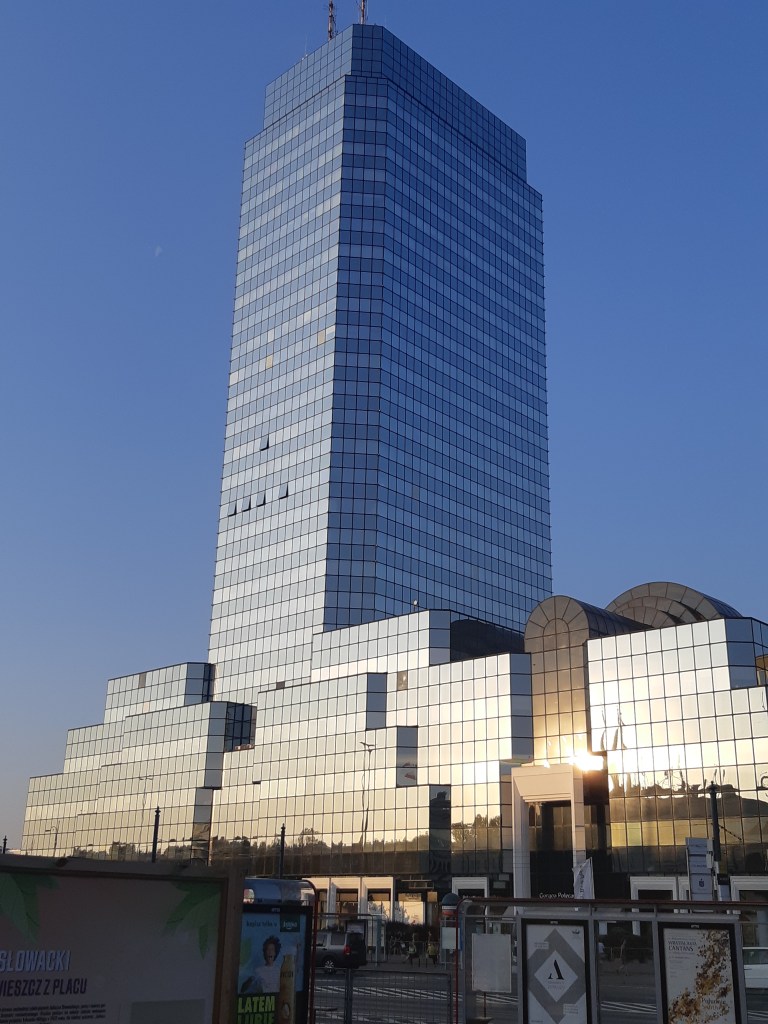
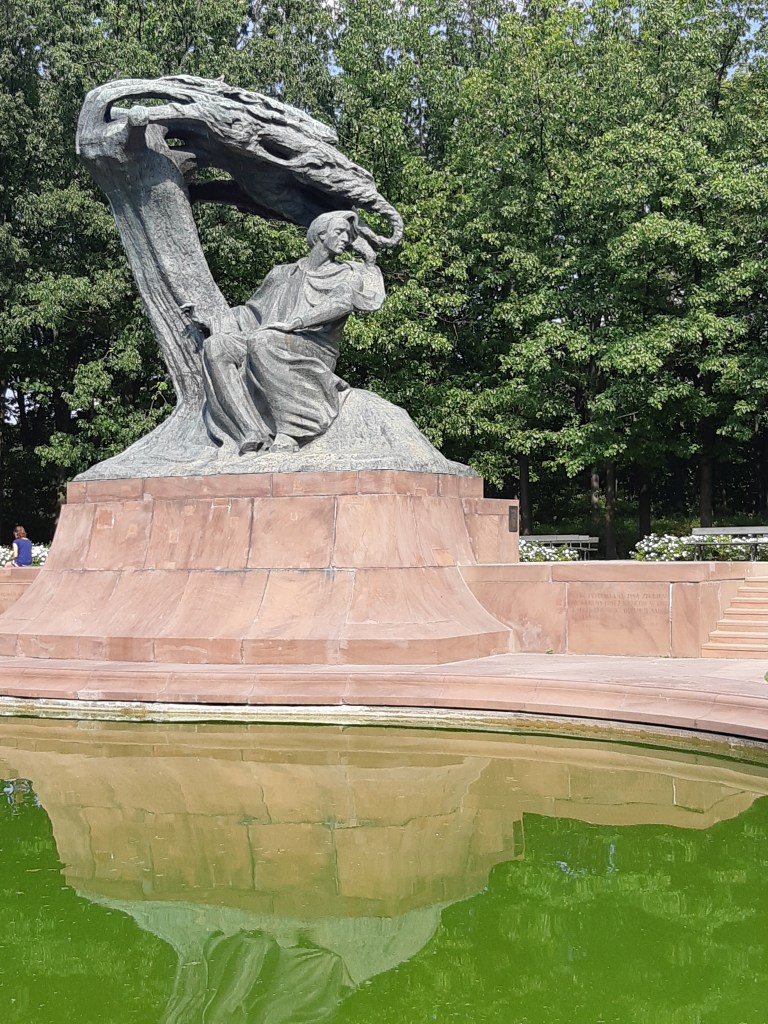
We decided to visit a Milk Bar for lunch. The following description is an excerpt which describes them better than I can.
In short: don’t expect The Ritz. There’s never been any pretentions about service or style in the Polish milk bar. These places were created for the express purpose of doling out homemade food quickly and for uber-affordable prices. Consequently, you’ll typically be left to find a table on your own. The décor is likely to be simple and stripped-down, with tiled walls and rickety seating. Classic milk bars may even have the occasional remnant of the Soviet age still decorating the place, and most will feel totally unchanged since the days of Brezhnev et al.
Milk bars are almost always self-service. You’ll have a laminated menu outlining the dishes of the day, or a blackboard with all the options scrawled haphazardly across it. As soon as you’re ready, head up to the bar and order. Be prepared to go to collect your food from a hole in the wall once it’s ready, and then return your dirty plates and cutlery once you’re finished.
The food of the Polish milk bar derives its inspiration from the hearty, homey creations of the Polish family kitchen. It’s very meat-heavy (sorry veggies) and is typically packed with carbs, mimicking the sort of utilitarian meals that would have dominated plates in the post-war and communist periods. That said, there’s something endearing and enticing about the simplicity of milk bar cooking. It is a welcome diversion from the pomposity of European fine-dining that’s sure to keep patrons coming back for more.
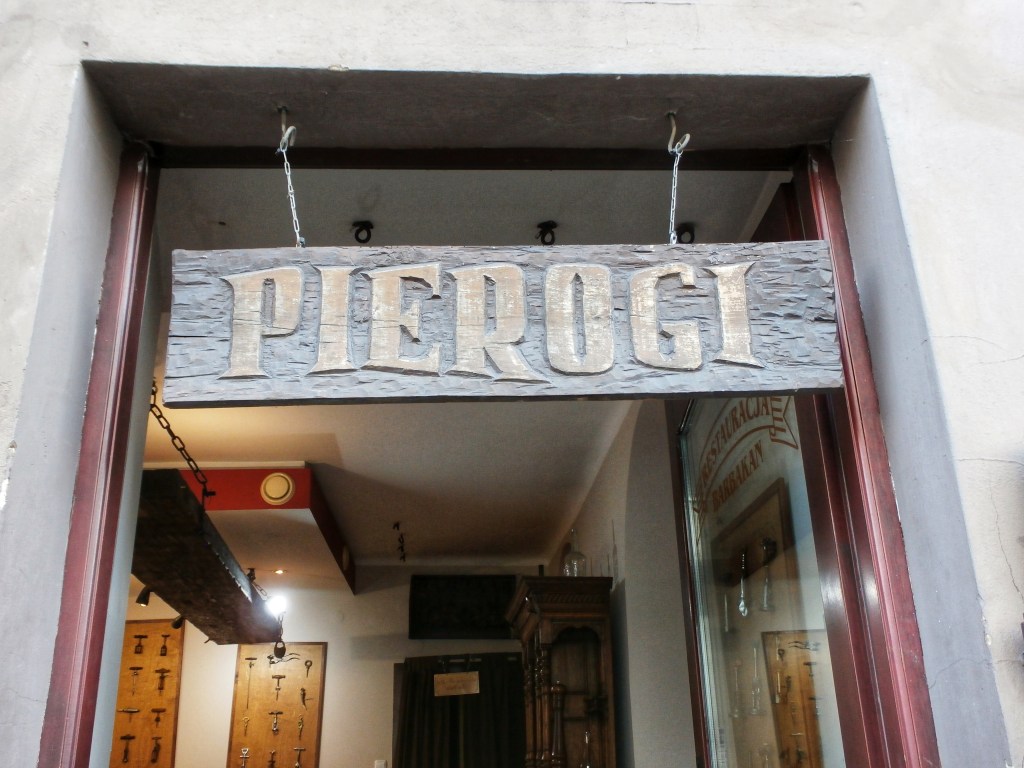
Some of the most popular milk bar meals still on the menu include the likes of traditional pierogi dumplings (little parcels of dough packed with cream cheese and potato), pork knuckles, bubbling borscht (a blood-red beetroot soup that originated in eastern Europe), potato pancakes topped with mushroom sauce and spinach mixes wrapped in cabbage leaves.
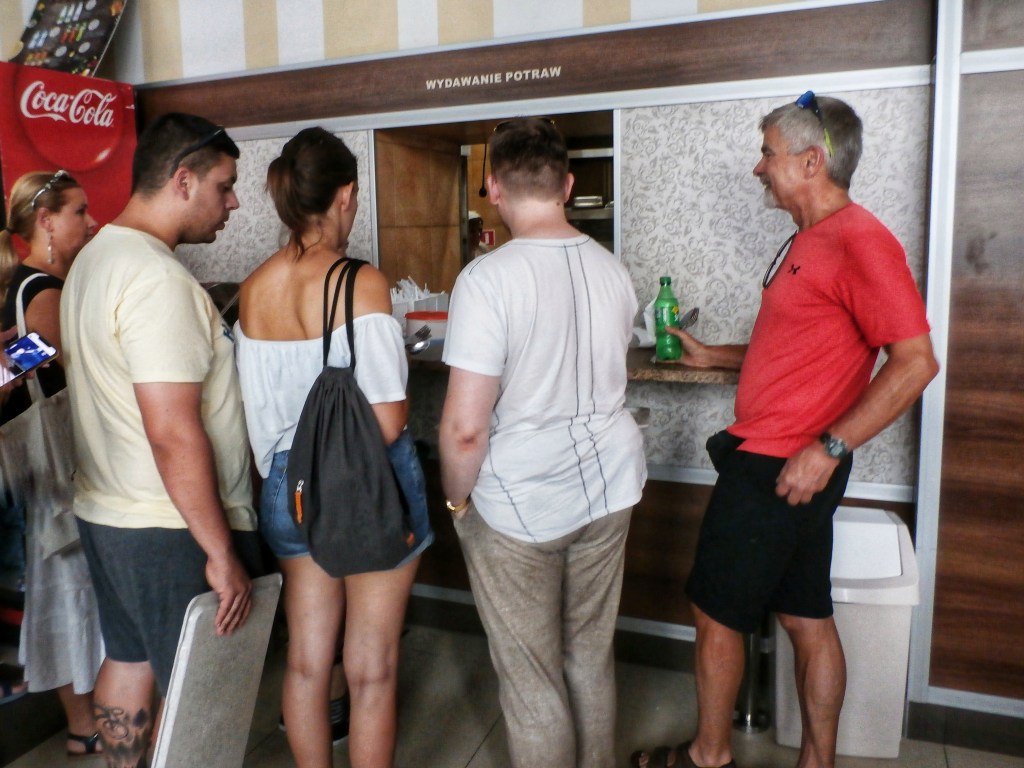
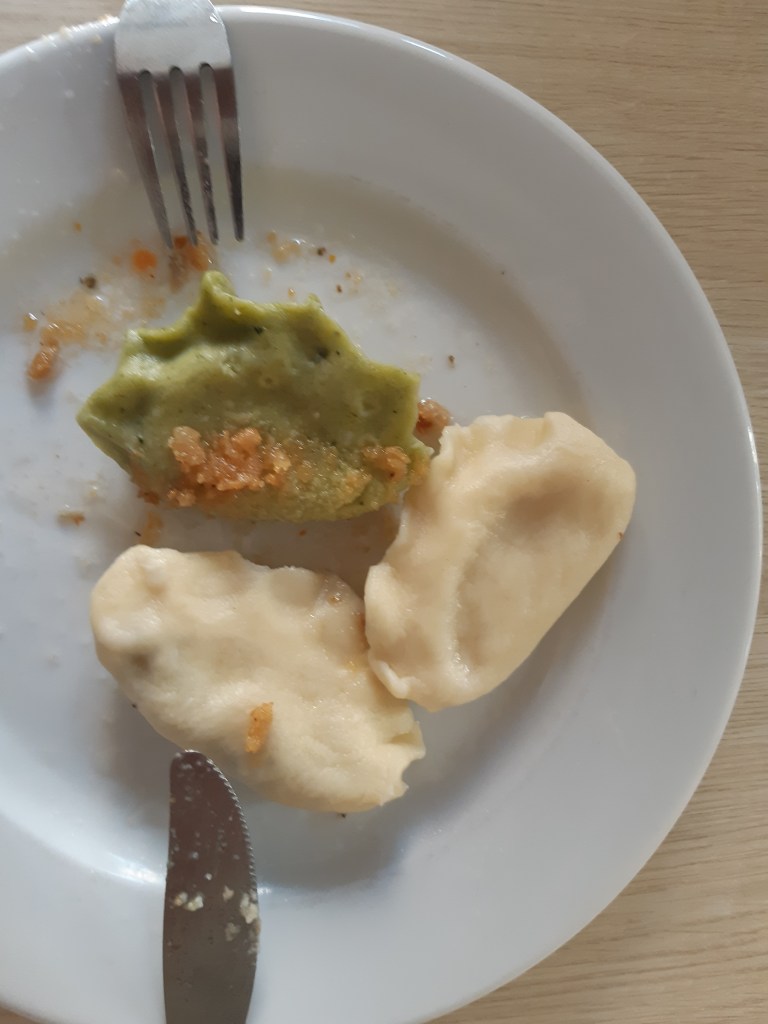
This was a challenge. There was a lineup to get in the door and once in the menu was scrawled on the wall – in Polish of course. We stepped out of the line to try to determine what to order, as most people knew what they wanted, and the only thing I could recognize was pierogi, so pierogies it was. You paid your money to the cashier (about $2.75) who gave you a ticket with your order. Wait in another line to hand it to the server in the window. Stand there for 10 minutes waiting for your meal to be prepared. Find a table and eat. Delicious!
 Tallinn to Istanbul by Bike
Everything and nothing has changed since we lived there 40 years ago. Have you heard any Polish jokes? (Serious question.) It’s how they deal with adversity. Garrett
LikeLike