By Dennis
Bulgaria, unlike its next door neighbour to the south, Greece, is not a popular destination for a lot of people, but I have always wondered what it is like. Besides Greece, it is surrounded by Serbia, Macedonia, Romania, Turkey and the Black Sea as its eastern border. It is an old country having broken away from the Byzantine Empire over 800 years ago and then freed itself from Ottoman rule in the 1800’s. It was ruled as a communist authoritarian dictatorship, with a strong Soviet influence through most of the 1900s but became a democracy in 1989 (albeit with mainly communist parties). Although it is Europe’s 16th largest country it only has 7 million people, the majority of whom live in its capital Sofia and surrounding area. It is widely acknowledged to be the most corrupt country, and the poorest country in the EU, with 20% of its population making the minimum wage of $1.75. The working hours for some are long – the receptionist in our hotels worked 12 hours a day, 6 days a week and spoke 5 languages, and I imagine she was being paid the minimum wage. Bulgaria is in a state of demographic crisis with a negative population growth since the 1990’s and over 1 million young people leaving the country by 2005. Its birth rates are amongst the lowest in the world and cannot keep up with the replenishment rate, while its death rates are amongst the highest due to an aging population, poverty and poor health care (and probably because 45% of men and 25% of women smoke).
But it is an interesting country. In the last 30 years it has transitioned from a mainly rural society with agriculture as the main economic driver, to an industrial and services economy with scientific and technological research well supported by the government. The literacy rate is 98%, its students rank amongst the highest in the world in terms of reading, out ranking Canada and Germany. It’s gender equality index ranks 18th in the world. It has many English speakers, especially amongst the young, the people are the friendliest we have encountered, and compared to Romania the roads are better and they have more coffee shops!
Bucharest to Ruse. 78km 20.4km/hr.
It was easy getting out of Bucharest early Sunday morning, with the exception of one taxi driver who just about hit me as he came up on the inside of a car that had stopped for me. Although Romania in general has good drivers, in Bucharest they seem to be of a different breed. One can never be too proactive.
The ride was along a good highway with the widest shoulders we have seen in Romania, which isn’t hard as the majority of roads do not have shoulders or if they do, the shoulders are in poor condition often full of potholes or breaking away.
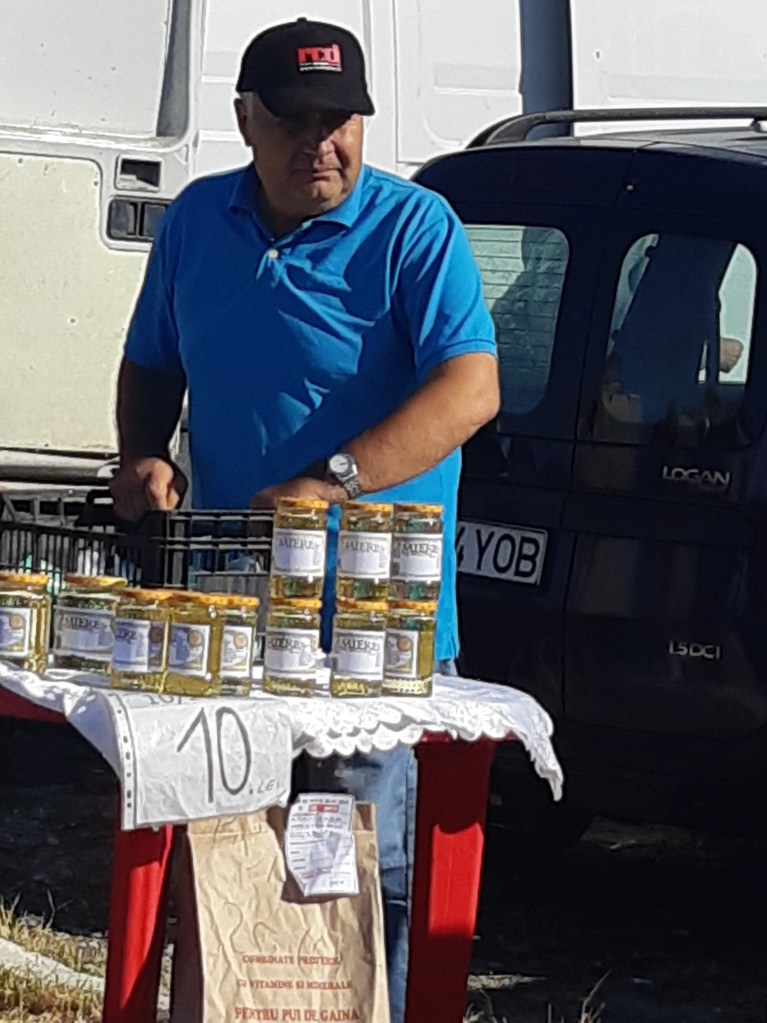
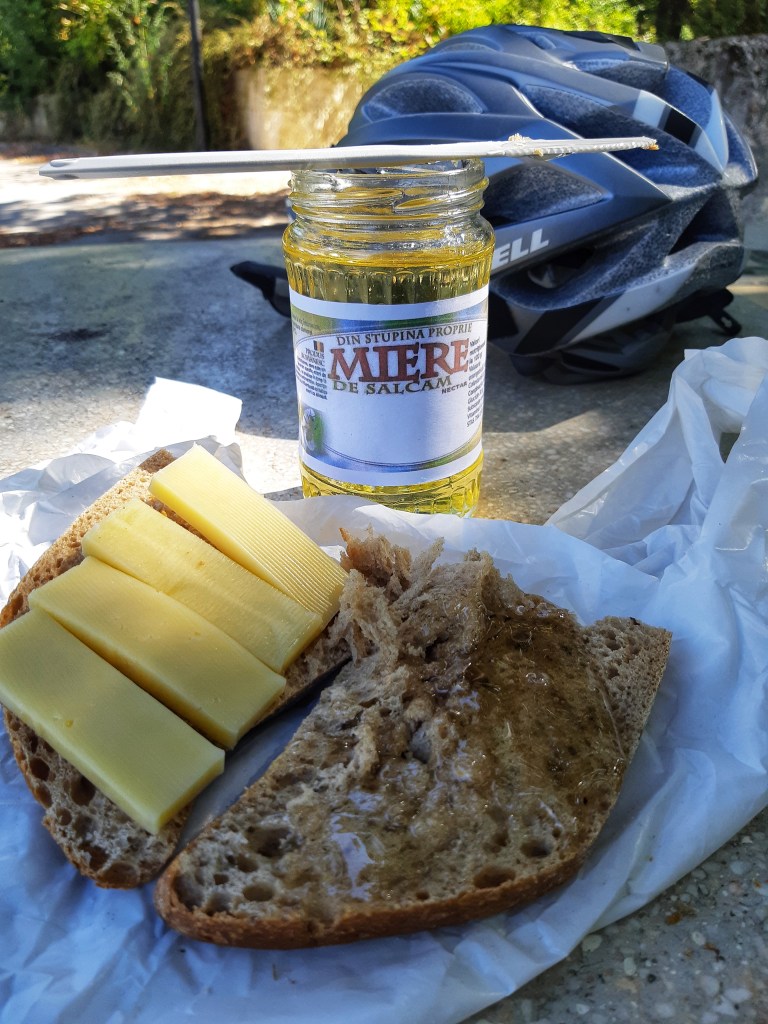
More random acts of kindness occurred for us when we stopped in a large farmer’s market on the way to Ruse. I had some Romanian lei to get rid of and saw a nice bunch of plums at 4 lei/kg (about $1.25), but not wanting a kilo of plums I handed him a 1 lei bill. He scooped up 6 plums and handed them to me, refusing payment. A little further on a man was selling jars of honey, and I was looking at them from a distance wondering if they were really jars of honey. The man walked up to me a shook my hand, pointed to the Canadian flag on my handle bar bag and handed me a jar of honey. What is it? Do they think we look tired and hungry? Old and infirm? Or is it part of their culture?
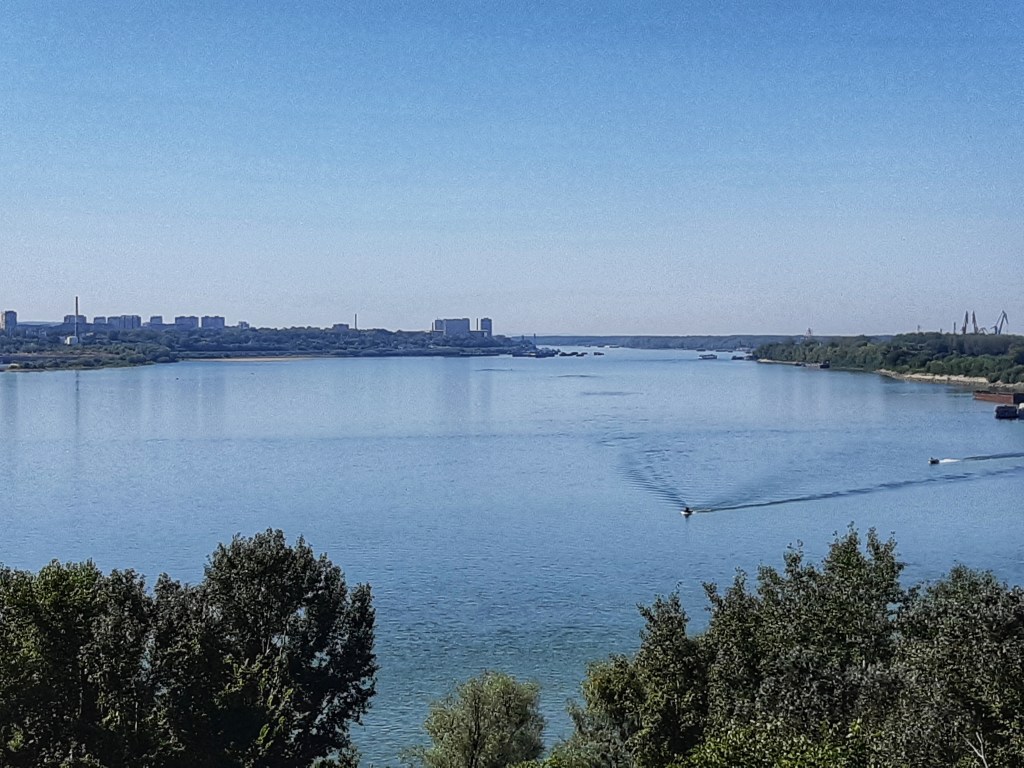
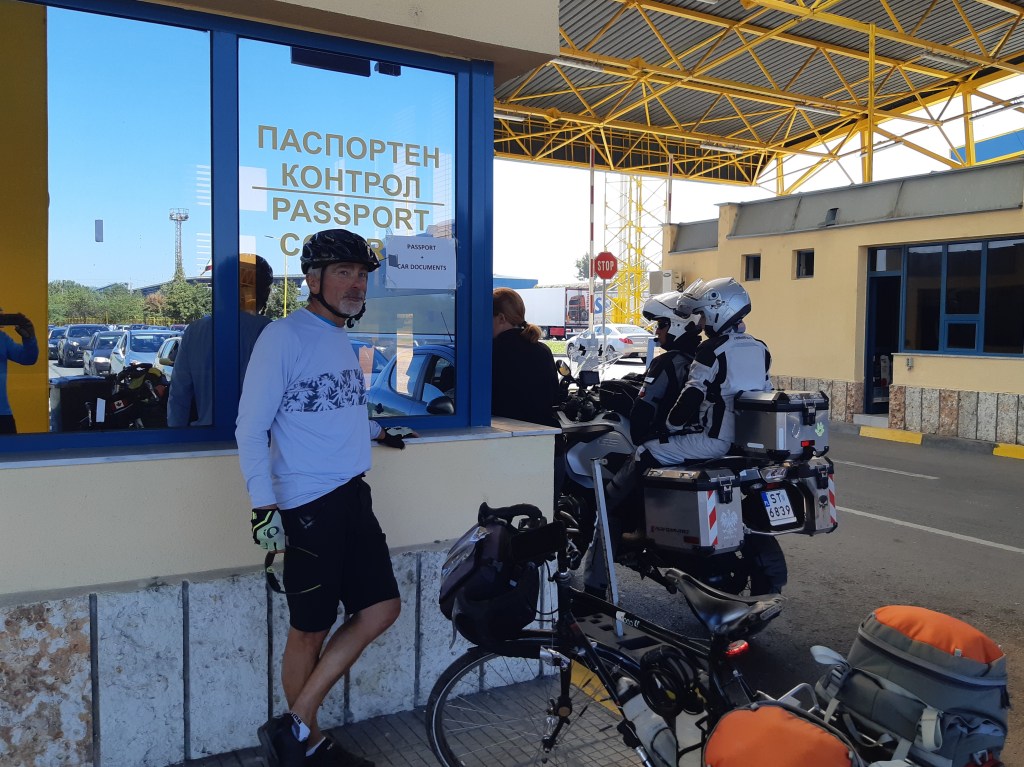
We left Romania by crossing over the Danube on a long, high bridge and entered Bulgaria at Ruse, a lovely small city of 200,000. I was a little disappointed in the Danube as we were picturing a clean flowing river where we could sit on the bank and have lunch, instead it was a muddy, grey colour with heavy industrialization lining it’s banks.
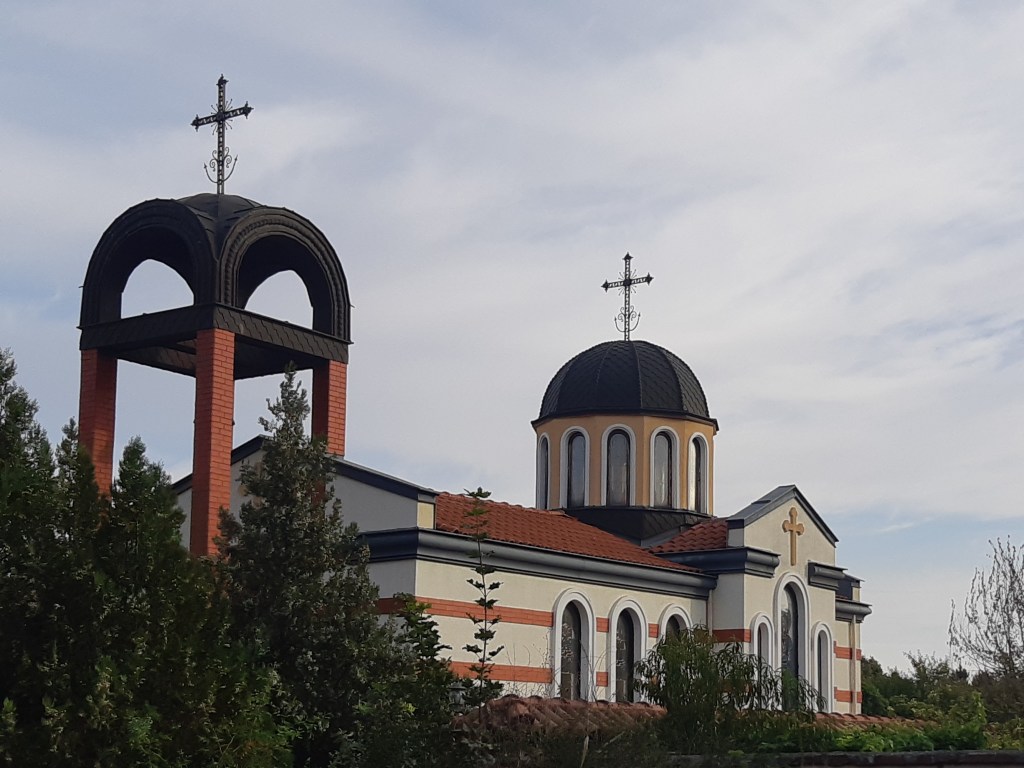
Ruse to Veliko Turnovo. 111km 19.7km/hr
It was a long day with 1050 meters up and 790 down and started with a cool 7 degrees. The first half the ride was on a hilly, rough “highway” with little traffic, but the second half was on a busy highway with no shoulders and lots of trucks buzzing by. Although most Bulgarian truck drivers are pretty good, we have adopted a strategy of getting off the road and stopping when two trucks in opposite directions are passing us at the same time. Better safe than sorry when you are tired.
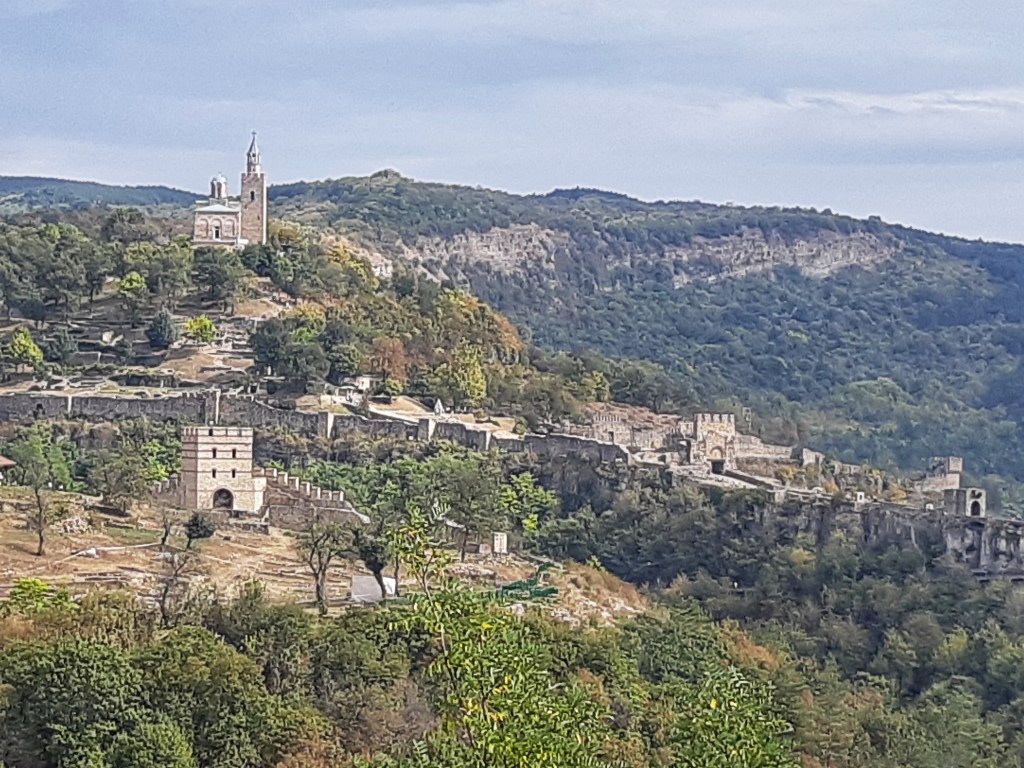
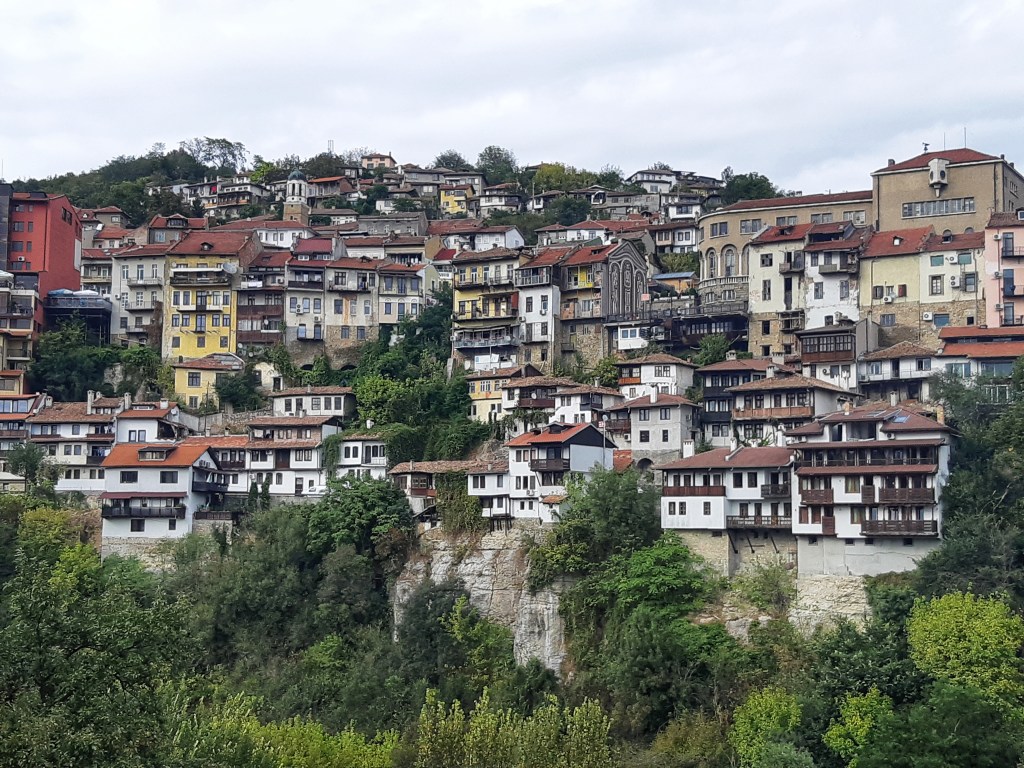
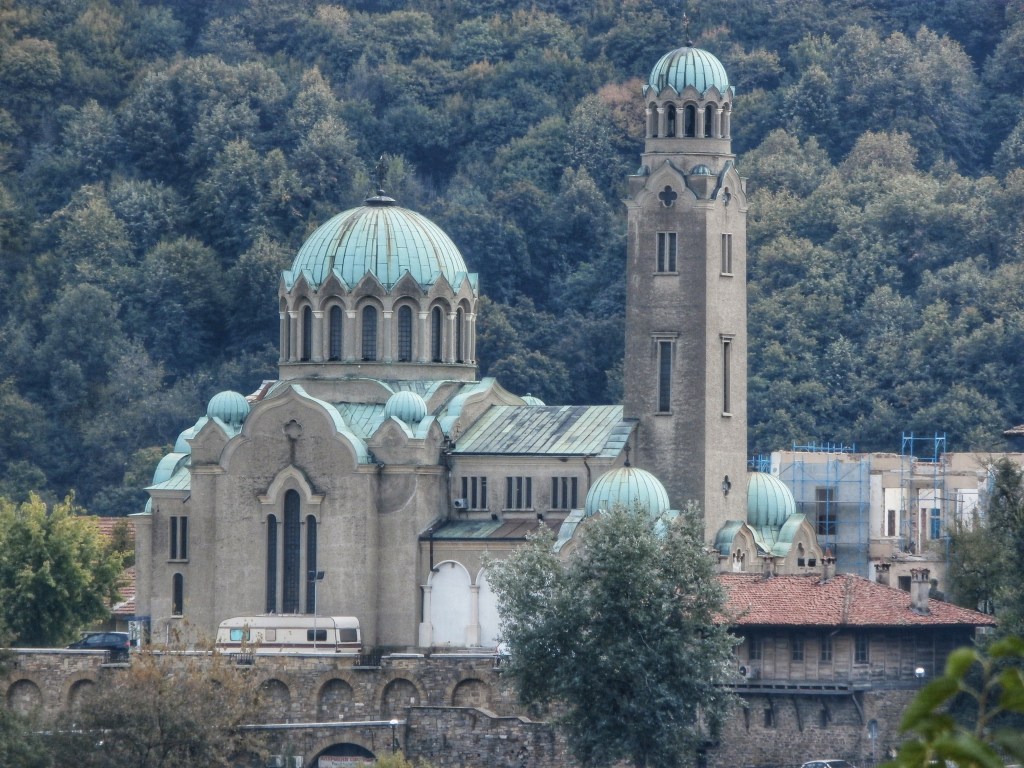
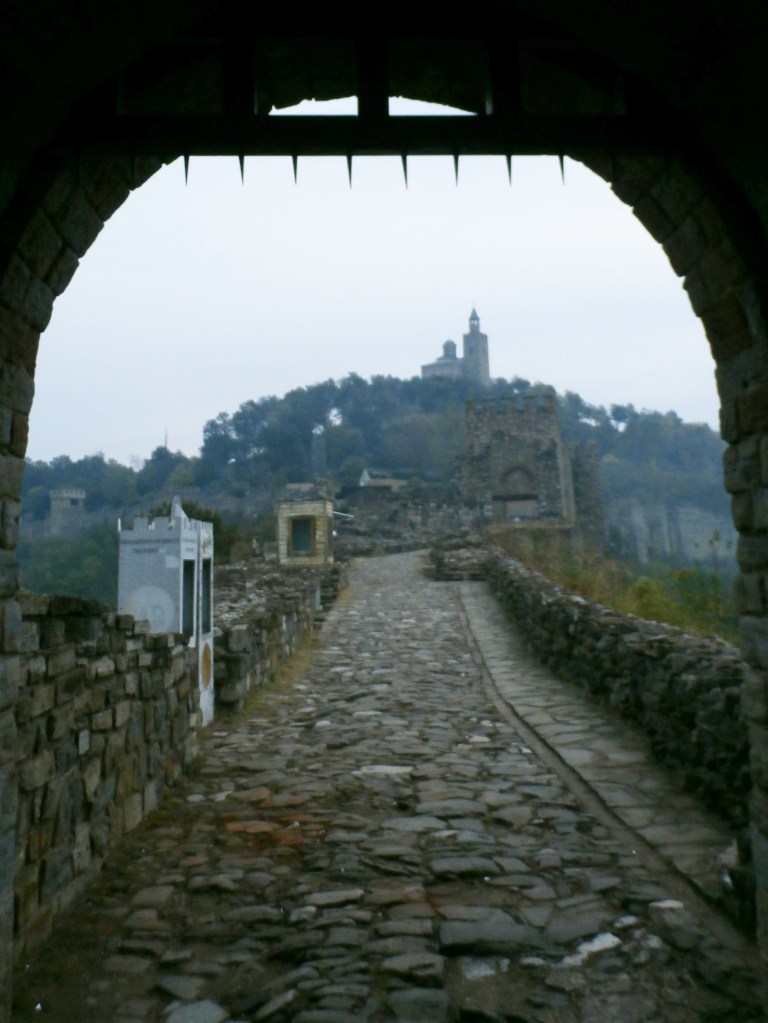
Veliko Turnovo is a town built on a hillside and seems to be popular with Eastern European tourists, drawn by it’s picturesque setting and fortress on a neighbouring hill.
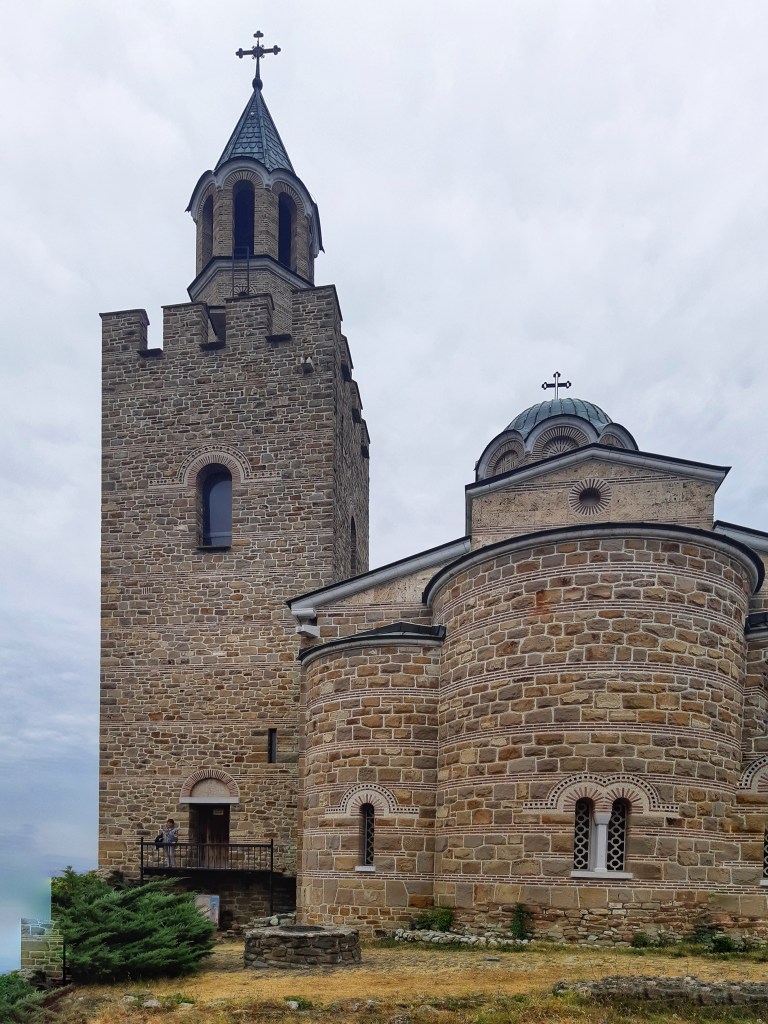
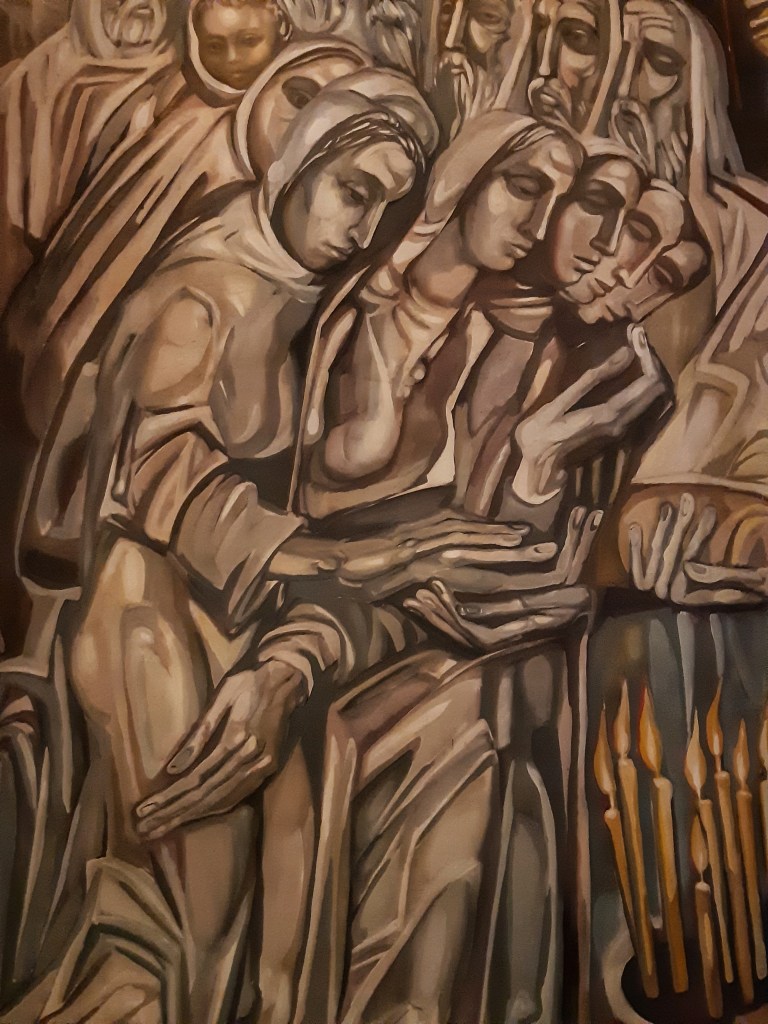
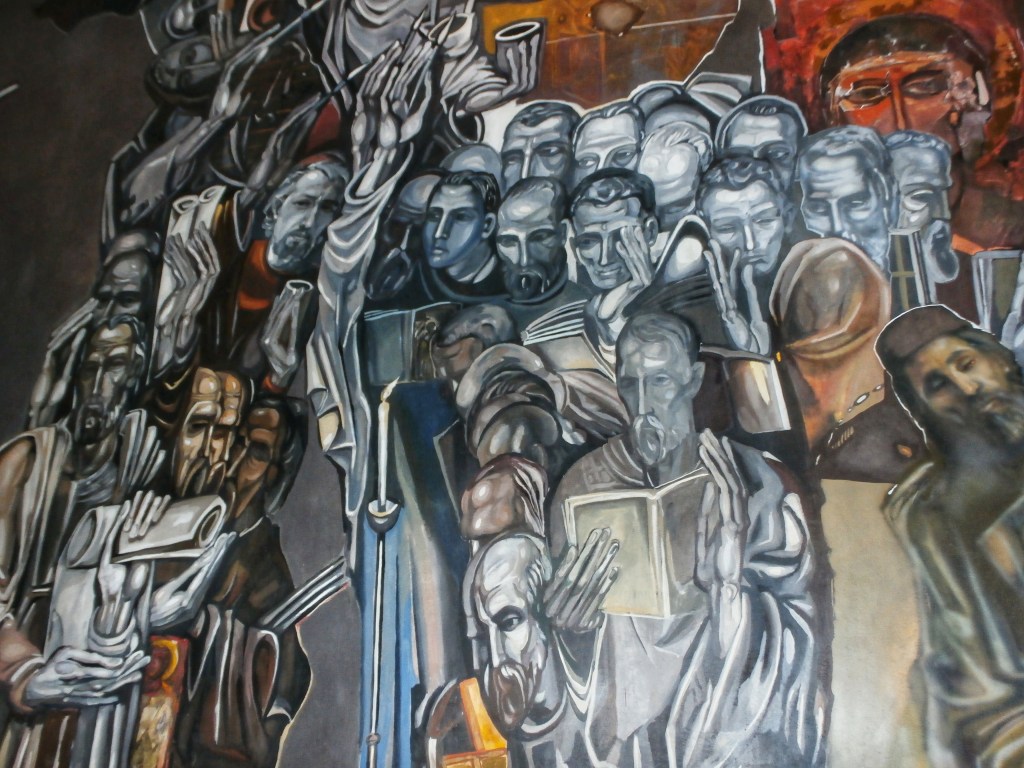
Veliko Turnovo to Pilitsi. 58km 17.7km/hr.
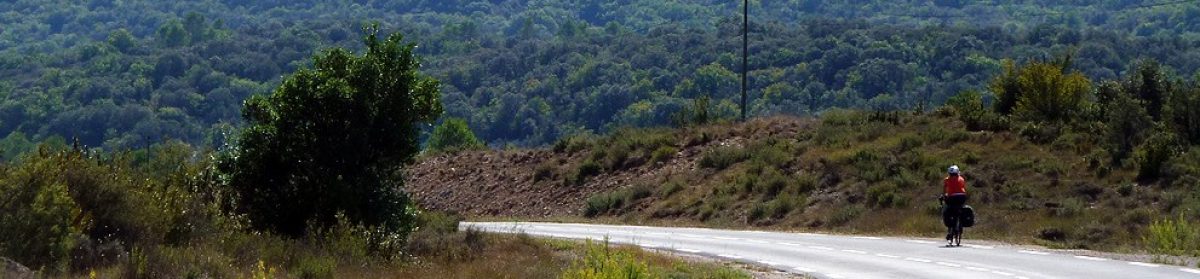
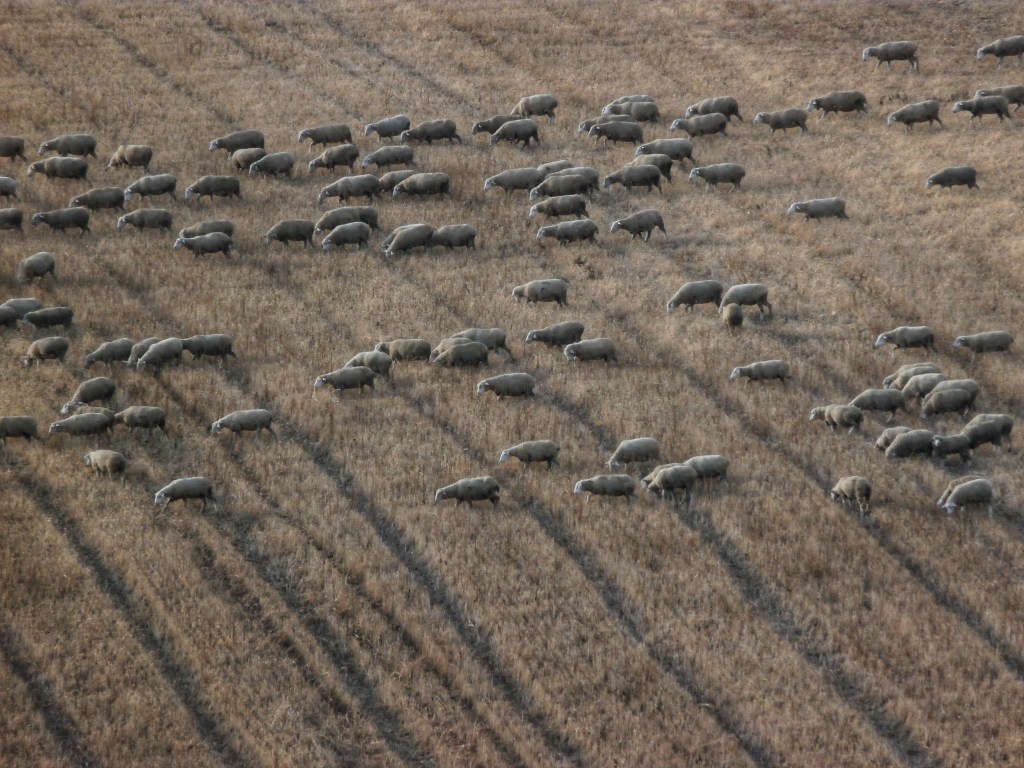
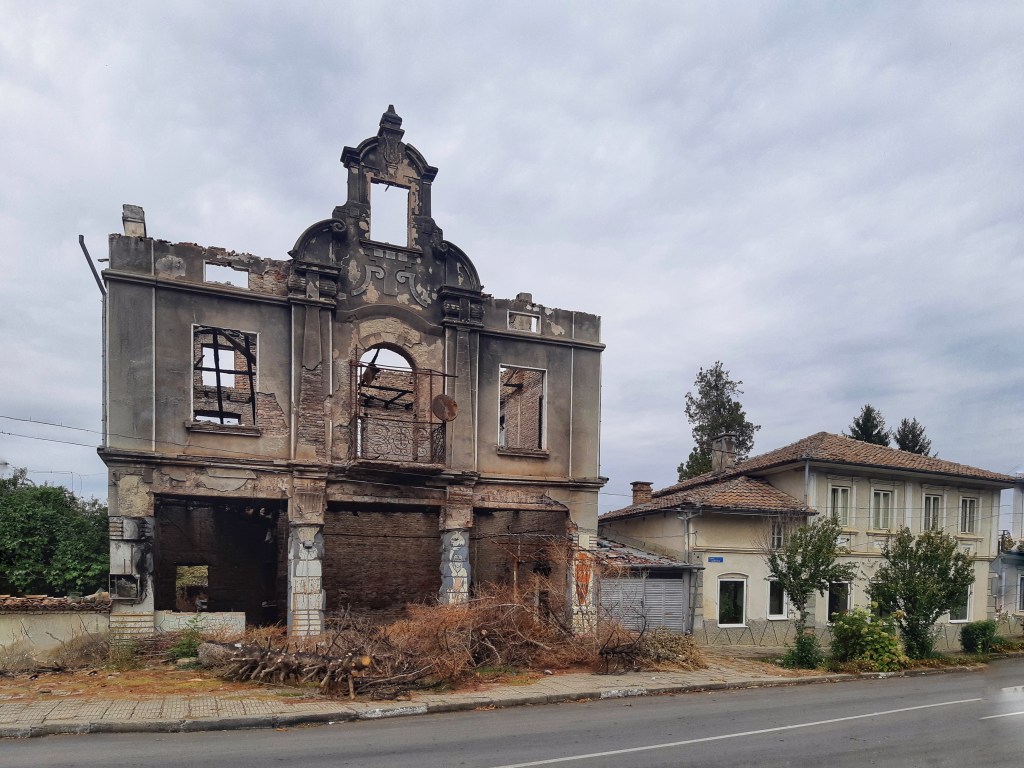
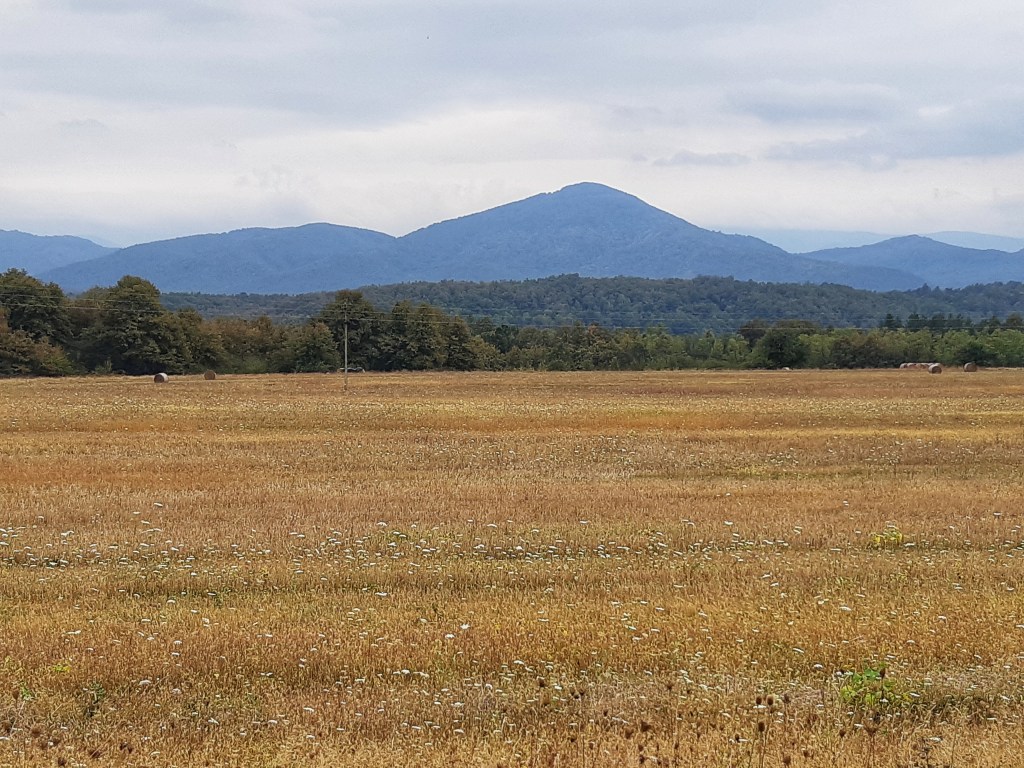
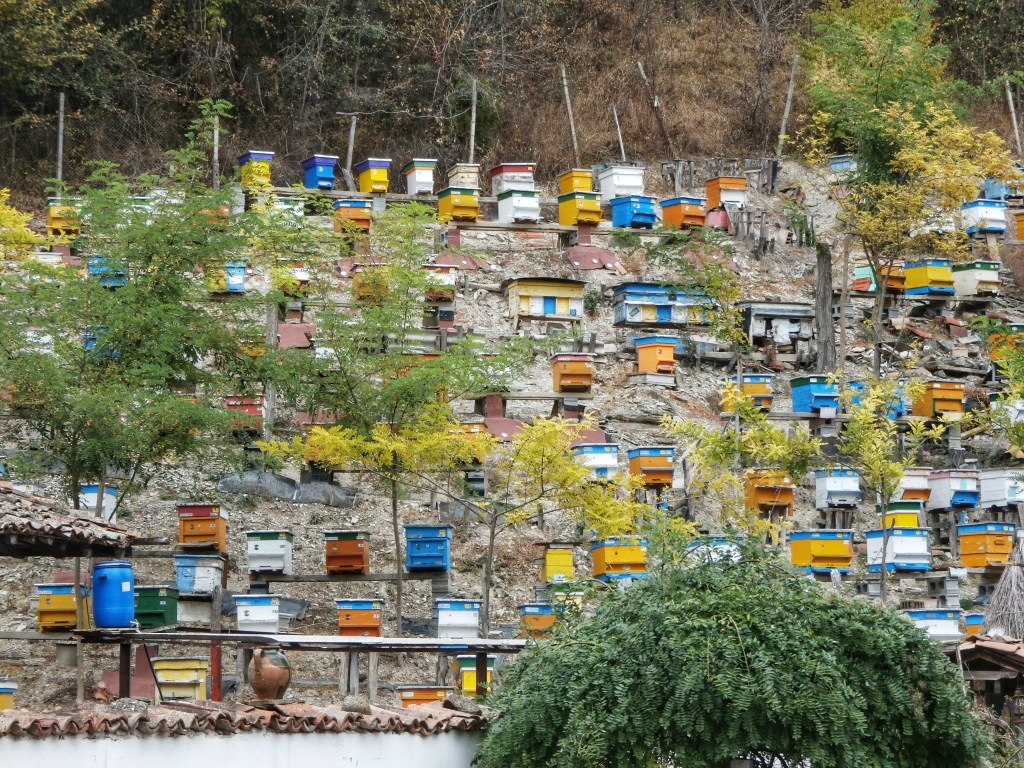
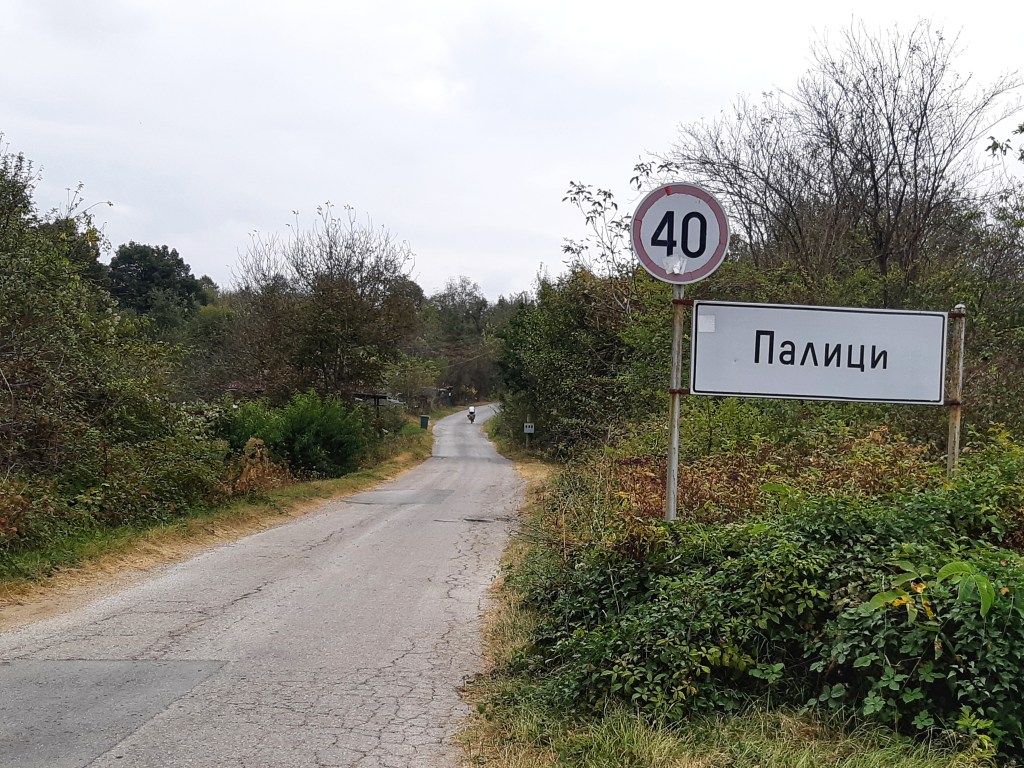
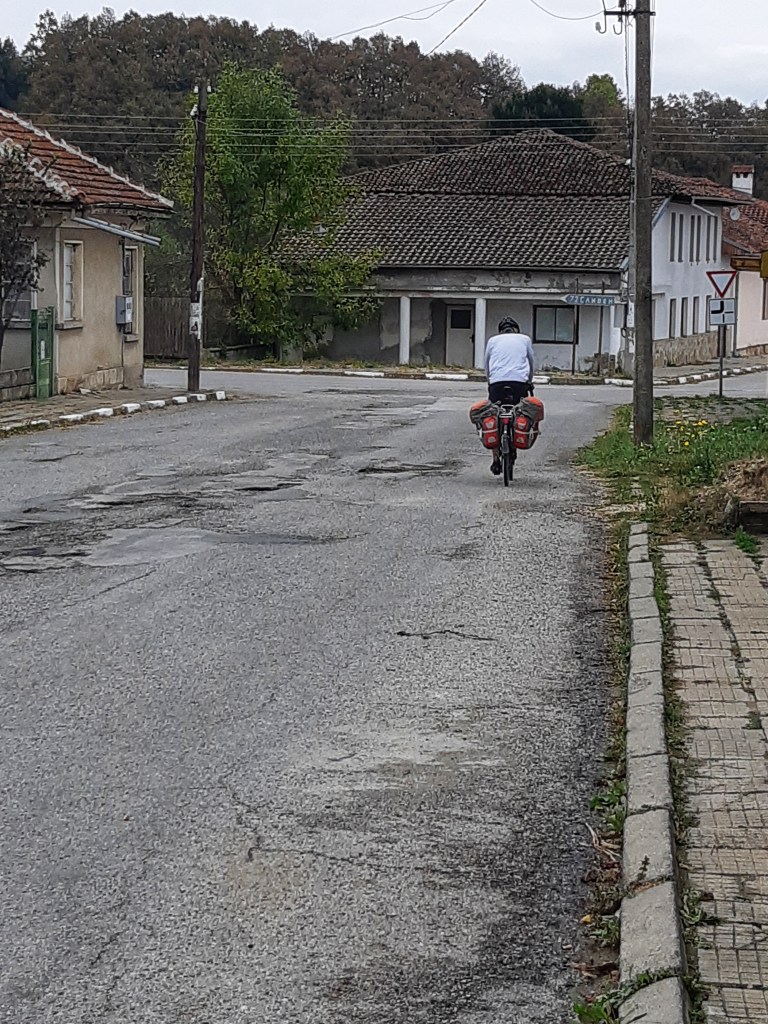
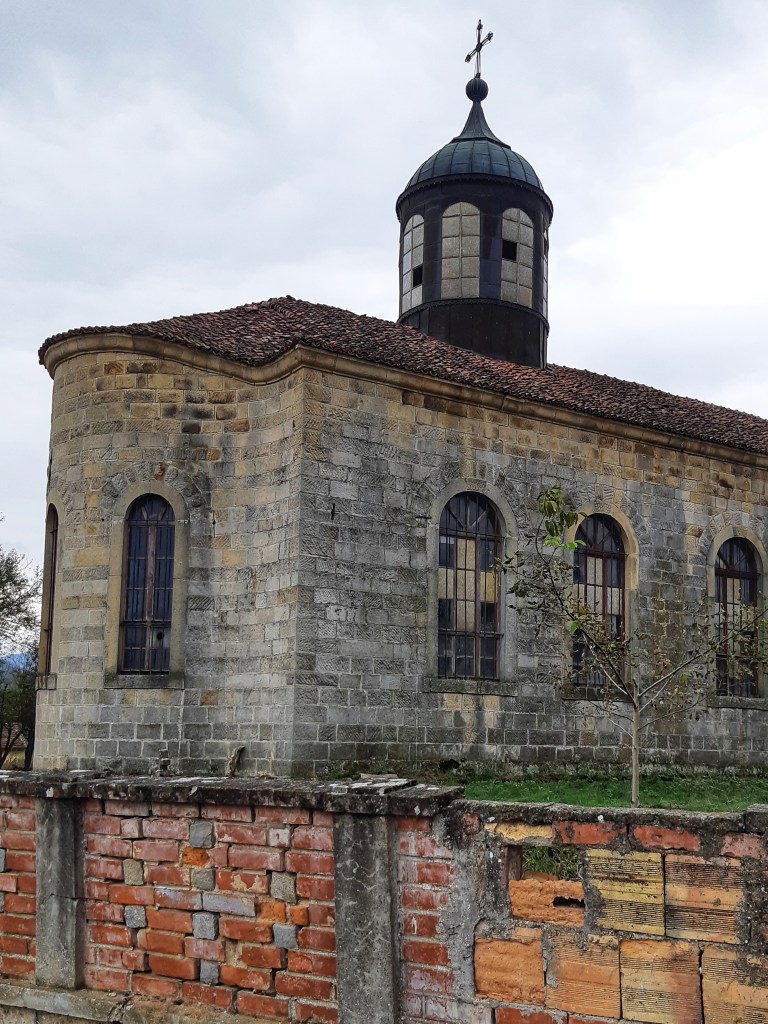
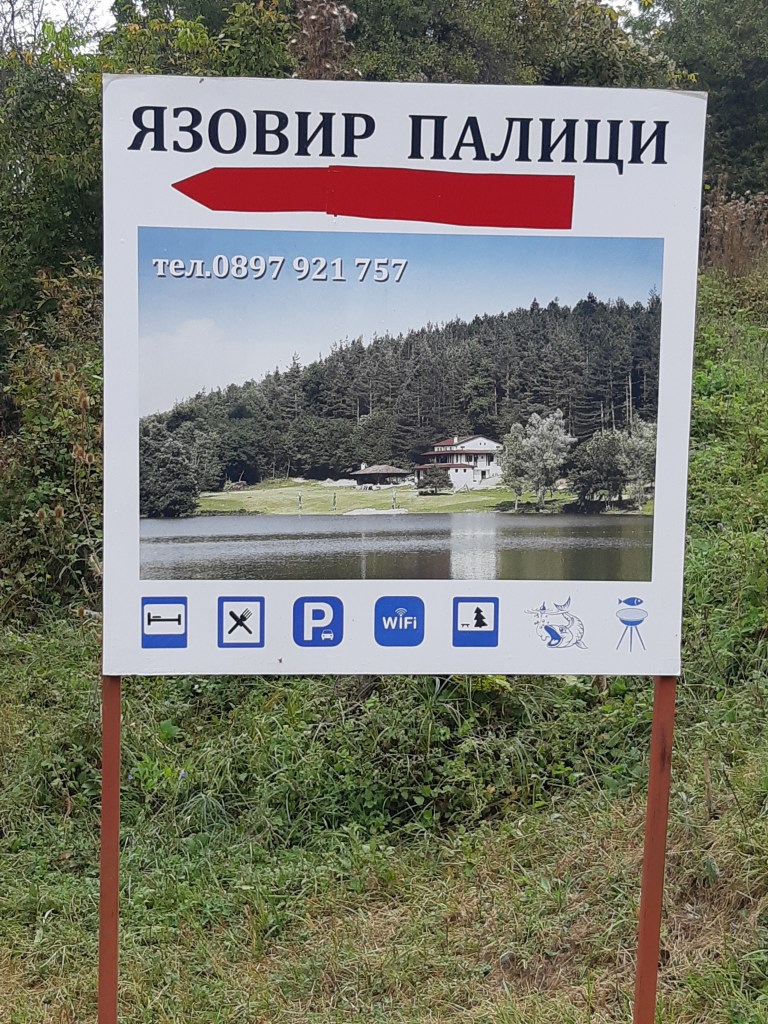
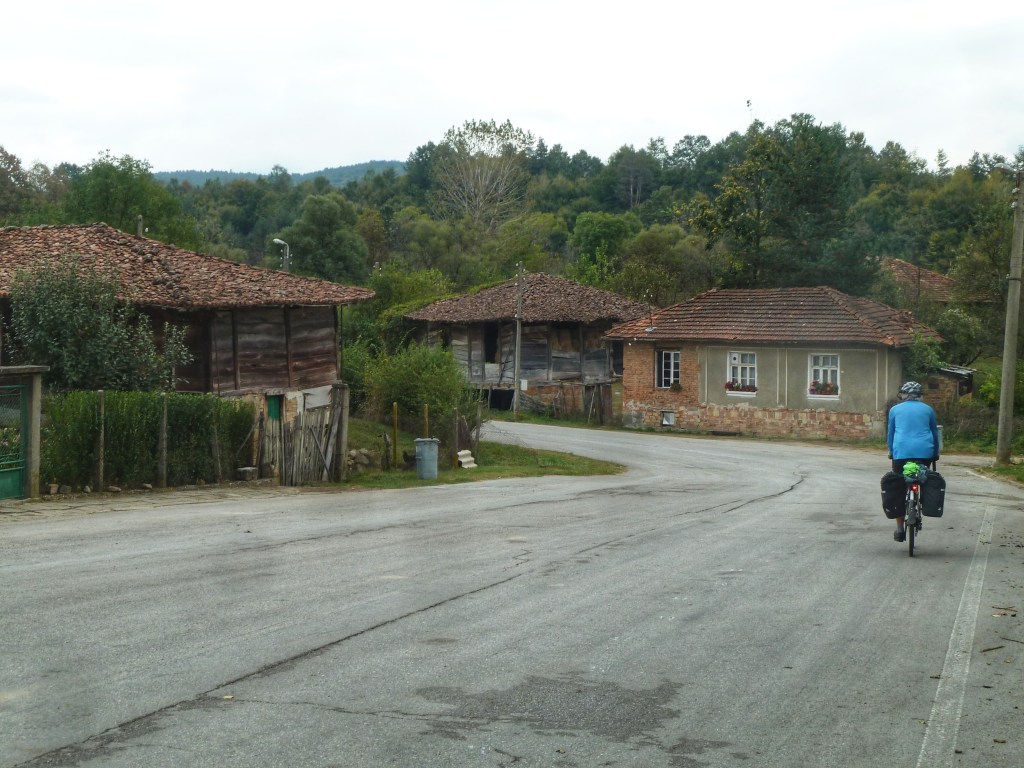
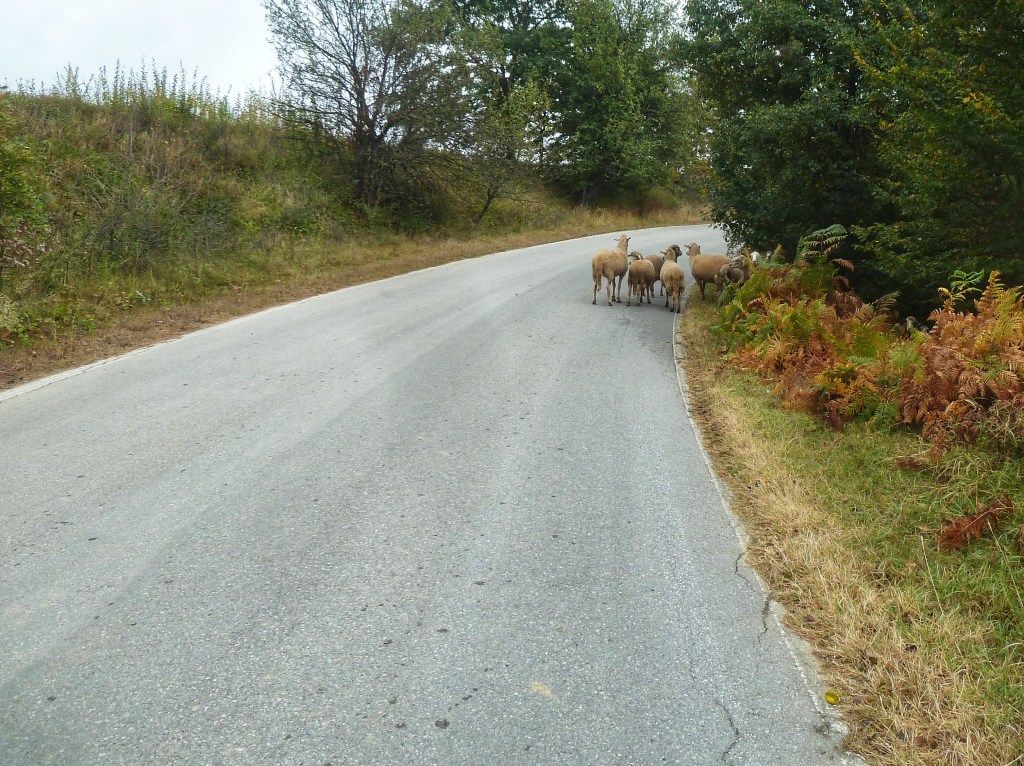
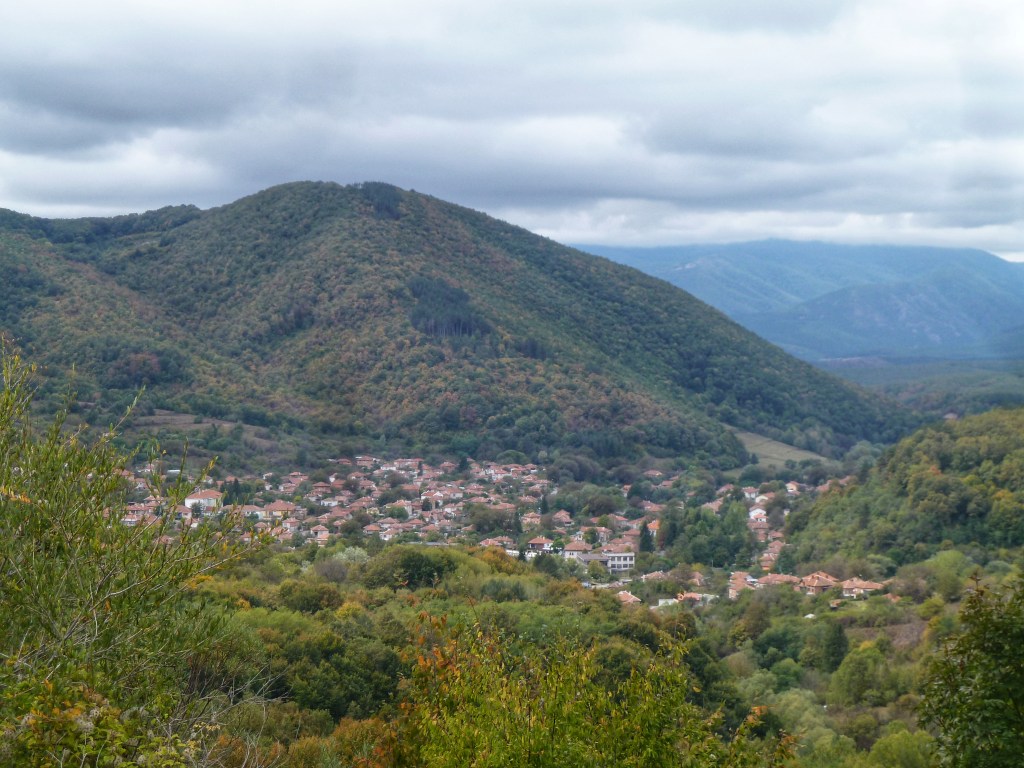
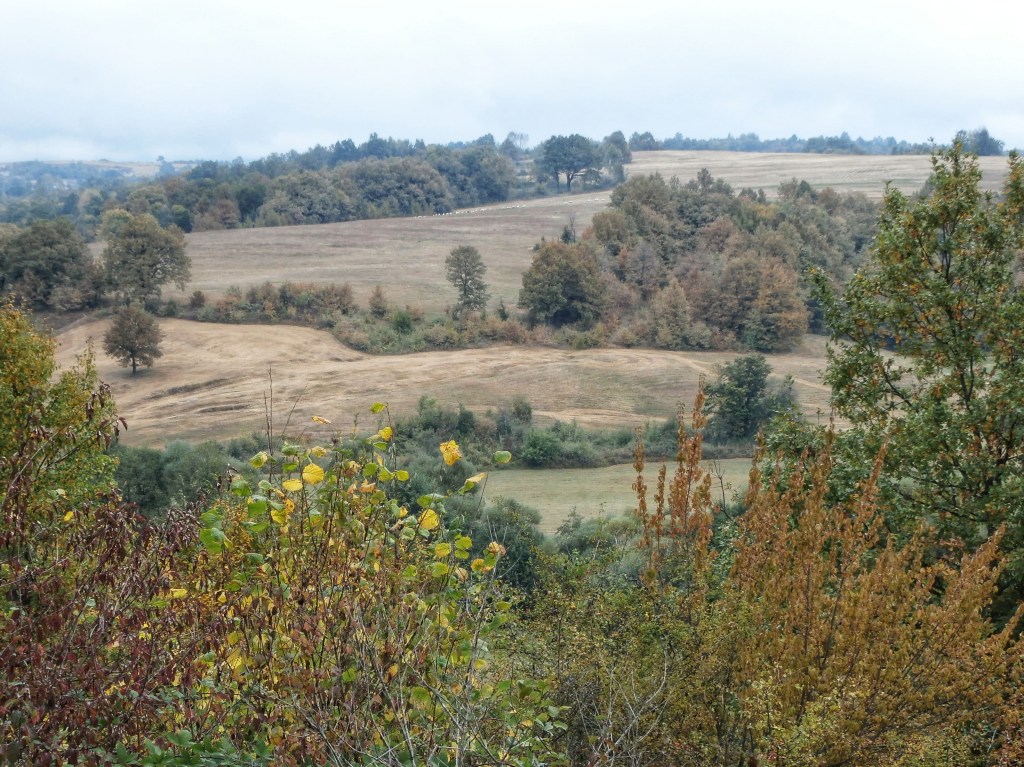
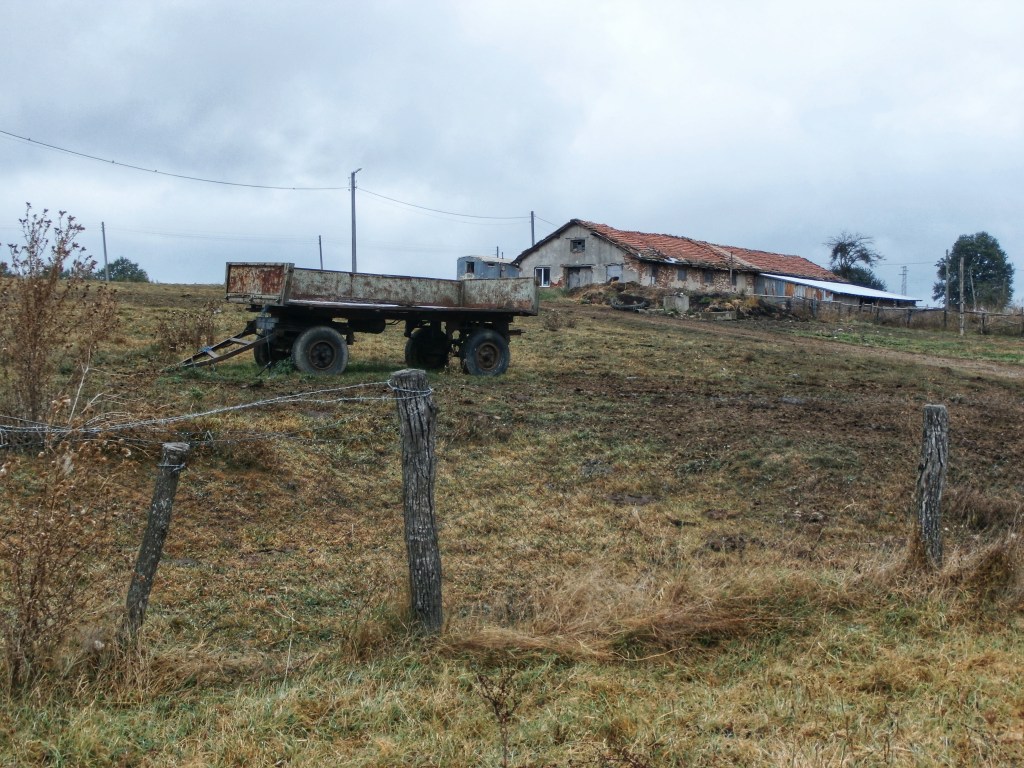
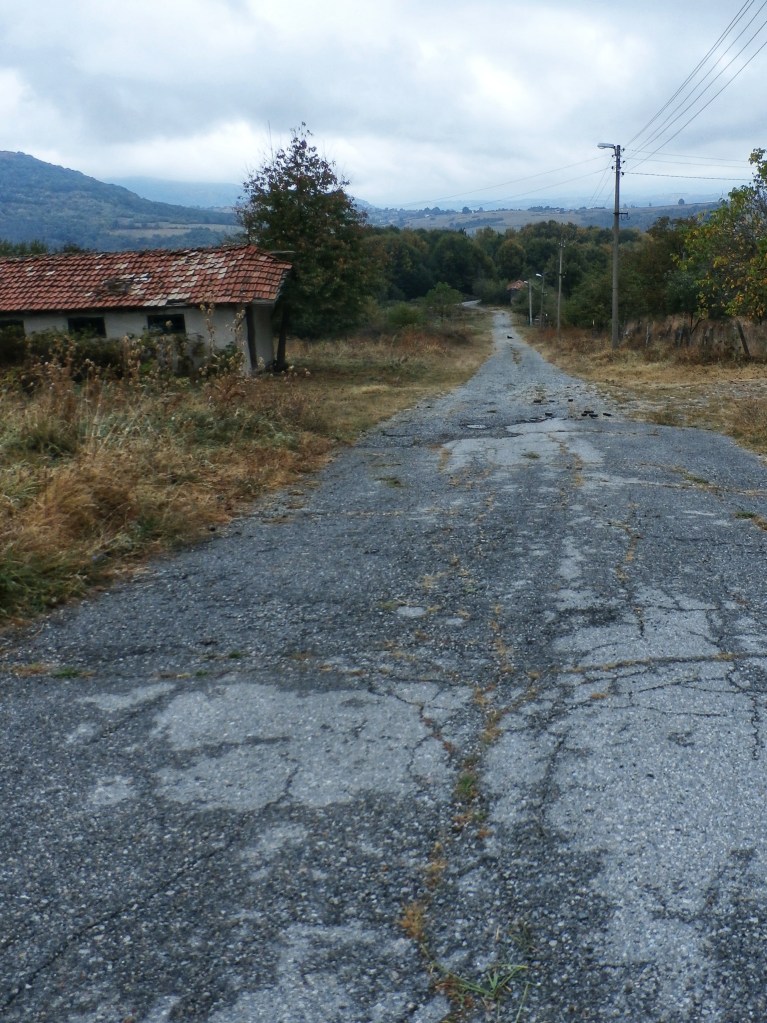
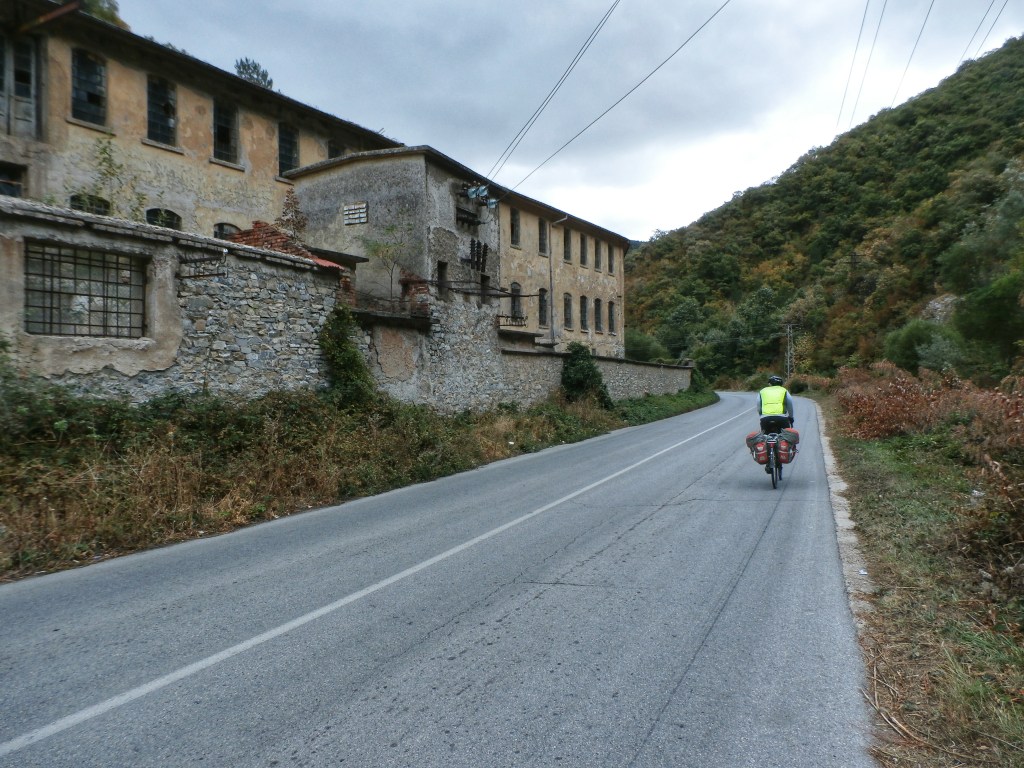
A short but hilly ride on a quiet country road giving us a good glimpse of rural Bulgaria. We decided to make this a short day in order to avoid a single 140km day with two big hills, but the options of where to stay for the night were very limited. Our accomodation is at a “resort” about 5km beyond Palisti, which has a population of about 40.
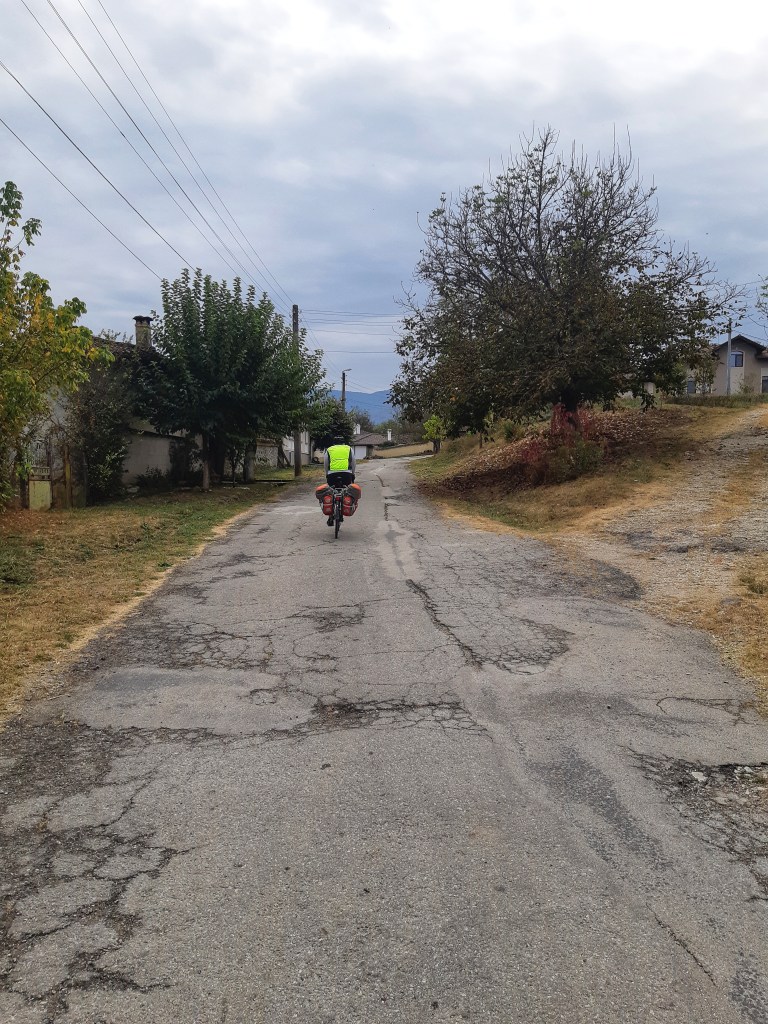
Palisti to Yambol. 90km 17.5km/hr.
A tough day, it took us 3.5 hours to do the first 25km due to a 10km 2000 foot climb. The “included breakfast” at the resort where we were the only guests, consisted of a small glass of herbal tea and a few slices of white bread with melted salty cheese on top. It did not fuel us sufficiently for the climb. But at least the road for most of the day was devoid of traffic, as we travelled through a sparsely populated area of Bulgaria.
This will be our last day in Bulgaria, tomorrow Turkey!
 Tallinn to Istanbul by Bike
Wow your last country!!! It is whizzing by quickly! We are doing a Thursday ride tomorrow and will toast you at coffee break!☕️
On Wed, Sep 25, 2019 at 11:43 AM Tallinn to Istanbul by Bike wrote:
> idratherbesailingnow posted: ” By Dennis Bulgaria, unlike its next door > neighbour to the south, Greece, is not a popular destination for a lot of > people, but I have always wondered what it is like. Besides Greece, it is > surrounded by Serbia, Macedonia, Romania, Turkey and the Blac” >
LikeLike