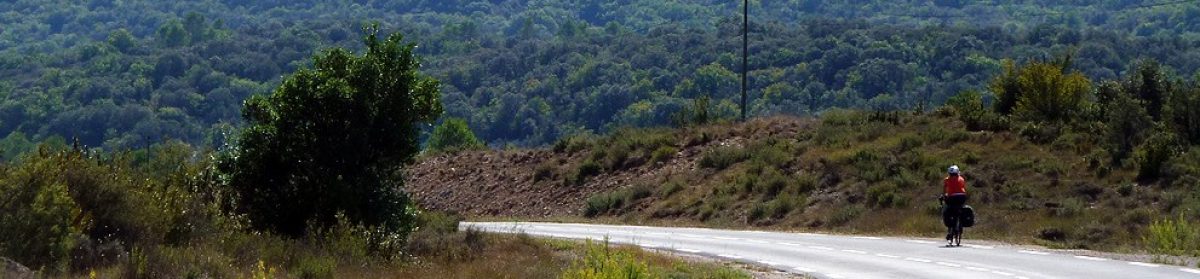
There was no plan for another blog post until after we started riding. But I had said if a story came along the story would be told. And along came a blue streak story. As in swearing a blue streak. A long swearing a blue streak story. You don’t have to read it, but I have to tell it. It is required therapy.
The day started with a early rise so we thought we would go for a walk and when the stores opened here in Tallinn we would get our SIM cards. I’ve purchased SIM cards in Europe and Asia before and it has always staggered me how cheap they are and easy to get. Well forget that when you are in Estonia. Erase it from your mind. But this isn’t the cause of the blue streak, just part of the set up.
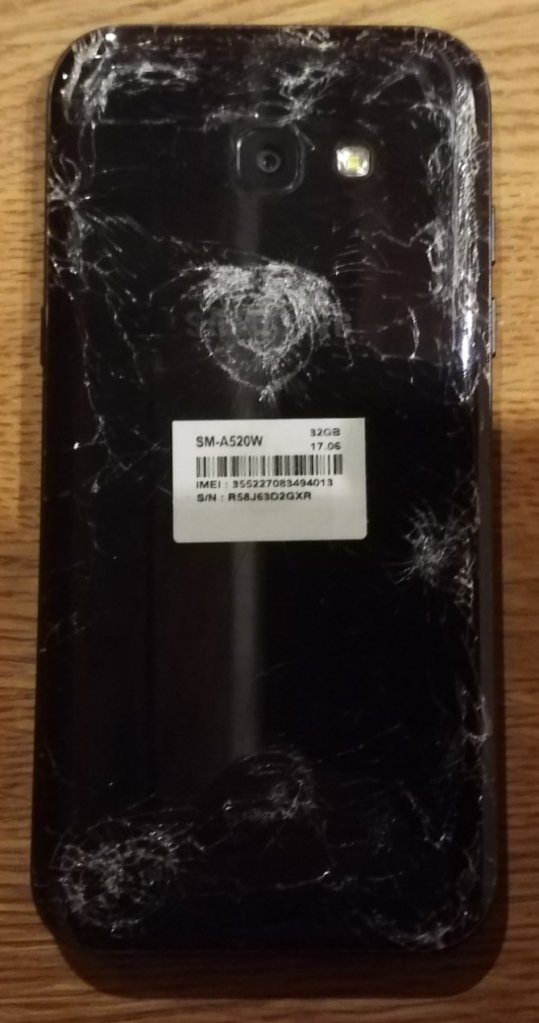
So where to actually start? Well the beginning of course but for that we need to go back to last winter. Yes, last winter. Last winter when driving from Calgary to Rossland I stopped at a garage in Crowsnest Pass to get gas and while getting out of the car my phone slipped out of my pocket. I didn’t notice and we backtracked a block to get a coffee. Then I noticed my phone was gone so we went back to the garage and there laying by the pumps with a truck tire across it was my phone. The back was cracked but the phone still worked. I was lucky. Don’s luck I think we will start calling it, which is a euphemism for no luck at all.
Now fast forward to Tallinn, Estonia. After our walk we went to a large local mall to get SIM cards that would hopefully work in all the countries we are going to travel through. At home we’d been on the internet and there are lots of cards that you can buy online which cover the entire area with the exception of Turkey. But heck, we thought, we’ll save money and buy one when we get there. Just out of the Old Town the local mall had stores for the three major network vendors here, similar to what we might find at home so this would take less than an hour. Well it didn’t and as we discovered, if things are going to go south, Estonia is not the place to be.
“Hello, we would like to get prepaid SIM cards that will work across Eastern Europe.”
“You need to get number and wait for rep.”
There are three ladies working and only one customer, but OK we get a number.
“Sorry, to get prepaid card that works across Europe is not possible. Only Estonia.”
“Well what about just Eastern Europe?”
“No.
“Down to Poland?”
“No”
“Oh, do you know of any other vendor that will sell a card that works outside of Estonia.”
“No.”
“I’ve bought cards in Sweden, the UK, Germany, France, Portugal and Spain and they would work across the EU including Estonia.”
“Yes, you can do this.”
“But I can’t buy one in Estonia that would work in those countries.”
“Yes, correct.” Now somewhat aggravating was her tone and sideways glance which said “what is your point, I could be surfing the net if you weren’t bothering me.”
We then went to the other vendors and got the same brisk response everywhere. Now we had read in a book that service in Estonia was not like what we were used to, but really? In each place we went it was like these people’s salaries were inversely proportionate to the number of words they used. Or perhaps they believe they can only use so many words in their lifetime so they should not be wasted, as in talking to a customer. To them “no” is a precise and complete sentence. Nothing else is required. Now I know that when talking to a custom’s agent you answer only the question that was asked and do so as briefly as possible. Even when you know the reason for the question you act as if you have no idea why they are asking it and do not embellish. But when trying to sell something to someone, perhaps trying to understand what the customer is really looking for and then steering them to a solution is a good thing, yes? Well, it got worse.
Finally we went to a kiosk which would sell us a card that looked like it might work but in between selling potato chips and cigarettes they were unable to answer our questions. And the card was a product of the first telecom company we had gone to, called Elisa. So we went back.
“Do you sell a prepaid card that will work in the Baltic countries?”
“Yes”.
(Now before we had sort of asked this question but we had included Poland, so although the answer might have been it will work in the Baltic States but not Poland, it was ‘No’.)
“And how much is that card and what does it include?” Etc. Etc.
“Can you top the card up?”
“Yes.”
“So we can top it up in Latvia?”
“No.”
Huh? How does that work? But this is not the previously mentioned worse part and certainly not the coup de grâce which didn’t come for several hours.
So on to the worse, but not worst, part. We agreed to buy two cards because neither the rock nor the hard place were going to move and we needed SIM cards. Unfortunately at this point it was discovered that my cell phone which looked like it had survived being driven on by a truck had not completely survived. The SIM card would not come out. Well more precisely the tray holding the SIM card would not come out because it was broken.
“Do you think you can fix this phone?”
“No.”
“If I bought a new phone and then took it back to Canada would it work there?”
“No.”
“Why not?”
“Because it won’t. Only works with European SIM card.”
Now needless to say we asked several questions on this but could get no logical explanation.
“Hmmm, do you know of a place where we might try and fix my phone?”
“Yes, the floor below us.”
Well we went down there and of course they couldn’t, which then turned into a full day process of going from repair shop to repair shop. Now why not just phone them? Well we tried that, but after two calls Dennis’ phone with the brand new SIM card which came with 200 minutes on it ran out of money. I know, “huh?” (All will be disclosed but you may need to get a coffee and sit down.) So we cycle around the city dealing with a range of people from those who speak little english but try to be helpful to, more commonly, people who speak english well but believe “no” is enough. We asked one person why a Samsung phone purchased in Canada will work in Europe but if bought in Europe will not work in Canada. We had previously thought he was somewhat customer oriented.
“Yes is true, but you must first phone a number in Estonia, takes five minutes and no problem.”
Got that? Well neither did we so we asked for clarity. But the guy went back to talking to his friend and ignored us until we left in spite of the fact that he sold cell phones and we might have bought one there and then. This left us moving on to the next store and the store after that. Now I don’t want to sound offensive, but all of this might have gone down a little easier if while travelling around the edges of the city and locking our bikes, that the latest fashion statement for the Estonian men we encountered wasn’t “Russian Mafia Chique”. You know, skin head, tattoos covering their body, skin tight t-shirt and a strut that says my arms must be out like this because of steroid built biceps and my knees are this far apart because, well you know, I am big man. And don’t forget the indelible threatening scowl on their face. Ok, maybe a little paranoid but it takes getting use to. “Maybe one of us should stay our here with the bikes?” asked Dennis.
Finally at one small kiosk in a market a person who spoke little english but was trying to help, gave us an address of a phone repair facility out by the airport which did warranty work for Samsung and apparently, stocked and sold parts. Interestingly, when we finally got this lead we had been to 8 stores and this man one did not even fix phones but mostly sold cases. Off we went trying to get out and back before rush hour and, believe it or not, they had a SIM card tray for an old A5 phone. By 5 o’clock having spent the day on this, we were back at square one, the Elisa store selling SIM cards.
OK, your feeling cheated. Where is the coup de grâce to this story? Well I still needed a SIM card and Dennis needed to find out where his 200 minutes that were supposed to be on the phone disappeared to. So back at the original phone store Dennis diligently showed them all the messages received in Estonian language from the plan provider and asked where were his minutes?
“Your phone comes with a 1 euro credit and it was used.”
“What about the 200 minutes?”
“Well you still have them.”
“Huh? I don’t understand.”
“Well you have 200 minutes for a normal call.”
“But they were normal local calls, I was phoning phone repair shops in Tallinn.”
“If you phone me, that is a normal call, but if you phone a business you must pay.”
“How much?”
“I can’t say, it depends on the business.”
“But we bought these SIM cards so that we can phone hotels and make reservations. Will these hotels be considered businesses?”
“Yes, probably.”
“And you can’t tell us what one of these calls might cost.”
“No.”
“And if we put money on our card but then run out in Latvia or Lithuania we can’t top it up?”
“Yes that is correct.”
Here is where you insert the ‘swearing a blue streak’.
Now I have tried to understand this on Google but so far no luck. The two girls at the store explaining this seemed confused by our confusion. How else would it work? Perhaps the businesses are back charging you for the pleasure of calling them? Certainly you get the impression that for many business that are not located in the Old Town tourist mecca, you should feel priviledged to buy something from them. Maybe you should feel privileged for being able to phone them too?
 Tallinn to Istanbul by Bike